
Skip to content

🎌 Anime: The Global Phenomenon of Japanese Animation


Anime is not just a style of animation — it is a powerful storytelling medium that blends art, emotion, culture, and imagination into unforgettable experiences.

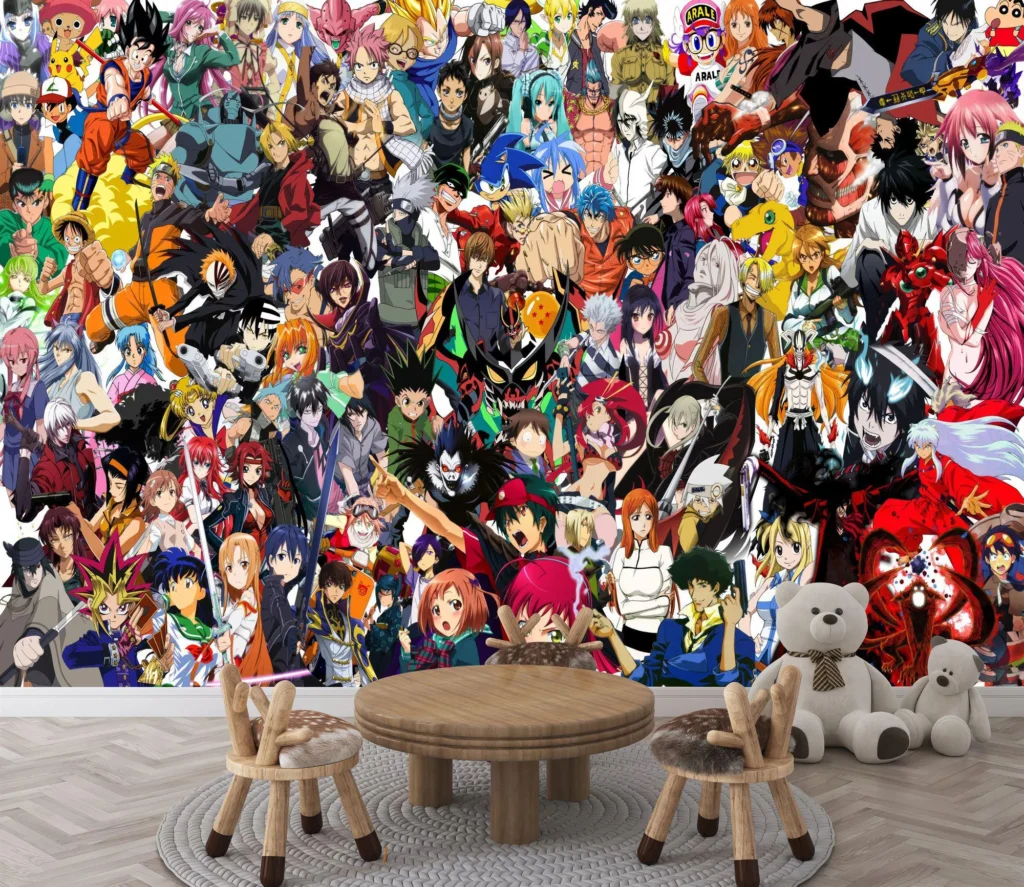
Anime has transformed from a niche Japanese entertainment form into a worldwide cultural phenomenon. From action-packed adventures and emotional dramas to fantasy epics and romantic comedies, anime offers something for everyone. Its unique art style, compelling narratives, and deeply developed characters have captured the hearts of millions across the globe.

In this comprehensive guide, we explore what anime is, its origins, popular genres, global influence, and why it continues to grow in popularity.
 

What is Anime?

Anime refers to animated works that originate from Japan. Unlike Western cartoons, which are often aimed primarily at children, anime targets audiences of all age groups — children, teenagers, and adults alike.

The word “anime” is derived from the English word “animation,” but in Japan, it refers to all forms of animation. Internationally, however, it specifically describes Japanese animated productions characterized by:

  • Distinctive character designs (large expressive eyes, colorful hair)

  • Detailed backgrounds

  • Emotional storytelling

  • A wide range of genres and themes

Anime is produced in both television series and movie formats, as well as OVAs (Original Video Animations) and web series.

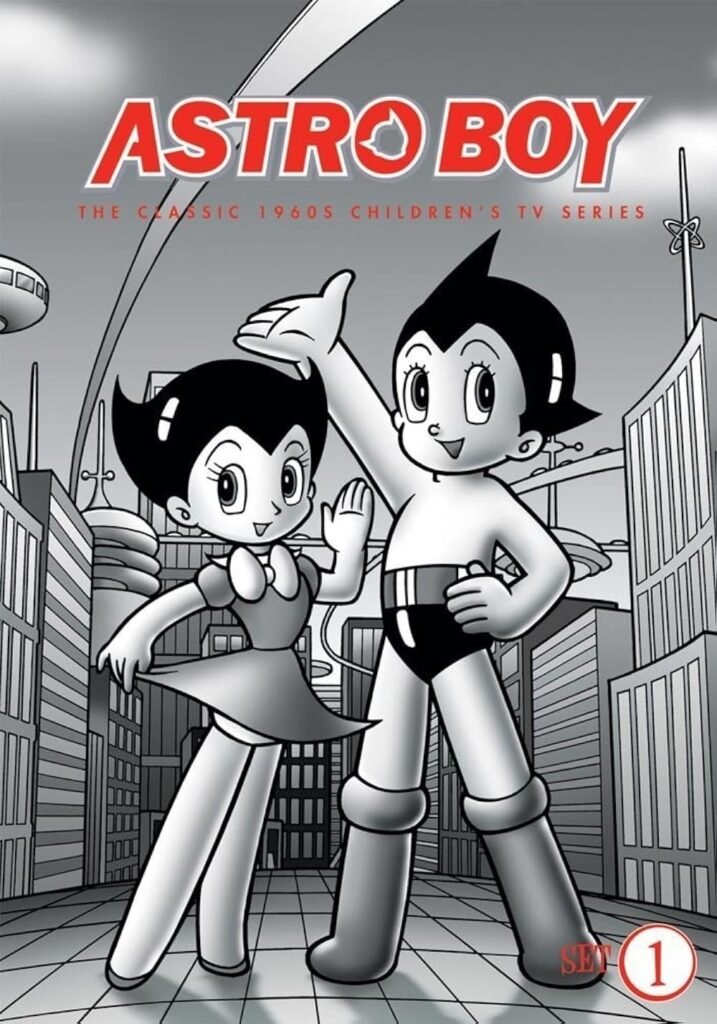
Anime’s roots trace back to the early 20th century, but it gained significant popularity in the 1960s with the release of Astro Boy, created by Osamu Tezuka, often called the “God of Manga.” Tezuka introduced cinematic techniques and expressive character designs that became the foundation of modern anime.

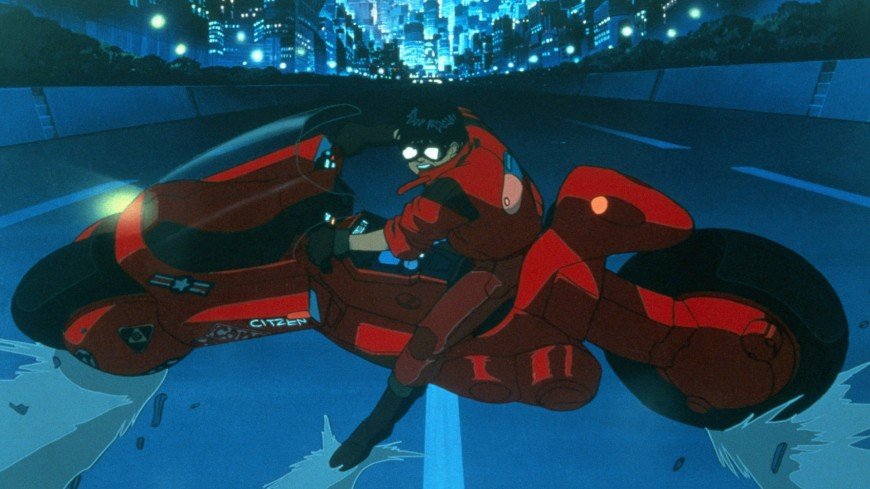
The 1980s and 1990s marked a golden era with iconic productions such as Akira and Sailor Moon. These titles expanded anime’s reach beyond Japan.

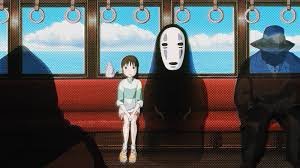
In the 2000s, films like Spirited Away won international awards, including an Academy Award, bringing global recognition to Japanese animation.

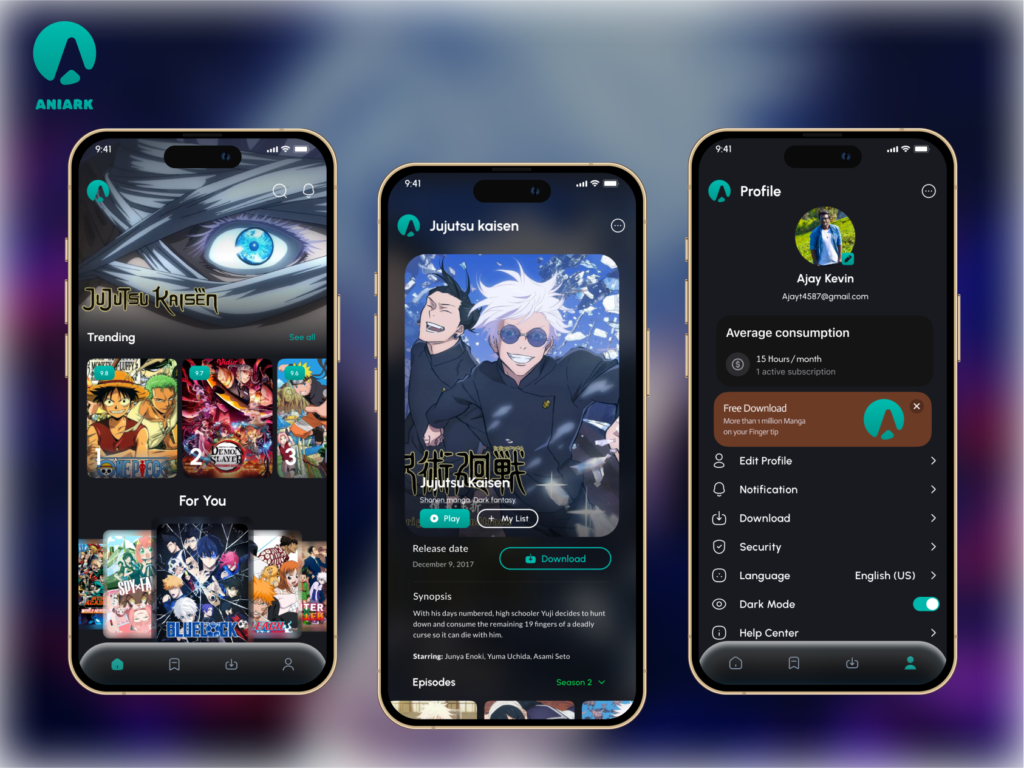
Today, streaming platforms have made anime more accessible than ever before.

Popular Anime Genres

One reason anime is so successful is its genre diversity. Let’s explore the major categories:

1. Shonen (Action/Adventure)


Shonen anime targets teenage boys but appeals to all audiences. It focuses on action, friendship, growth, and determination.

Popular examples include:

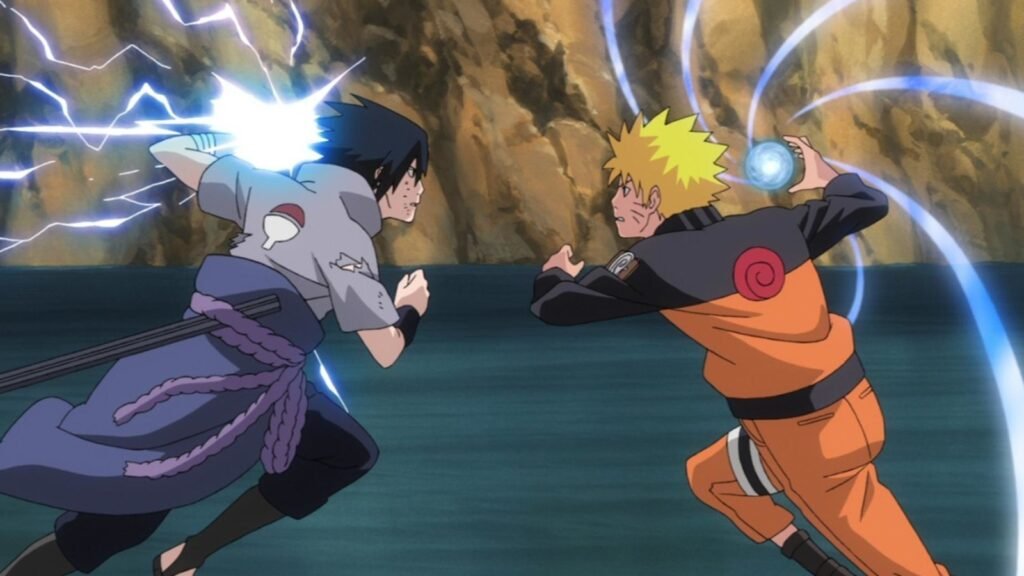
  • Naruto

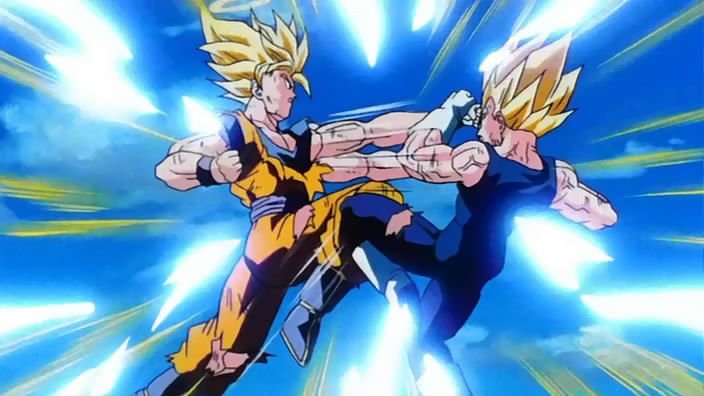
  • Dragon Ball Z

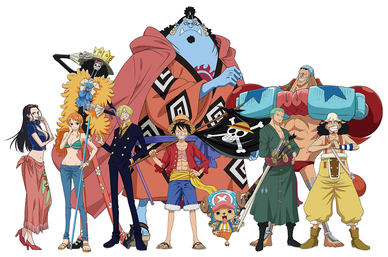
  • One Piece

  • My Hero Academia

These series often feature intense battles, training arcs, and inspiring character development.

2. Shojo (Romance/Drama)

Shojo anime is primarily aimed at teenage girls and focuses on relationships and emotional storytelling.

Examples include:

  • Fruits Basket

  • Ouran High School Host Club

These stories explore love, friendship, and personal growth.

3. Seinen (Mature Themes)

Seinen anime targets adult audiences and often contains psychological, philosophical, or darker themes.

Popular titles:

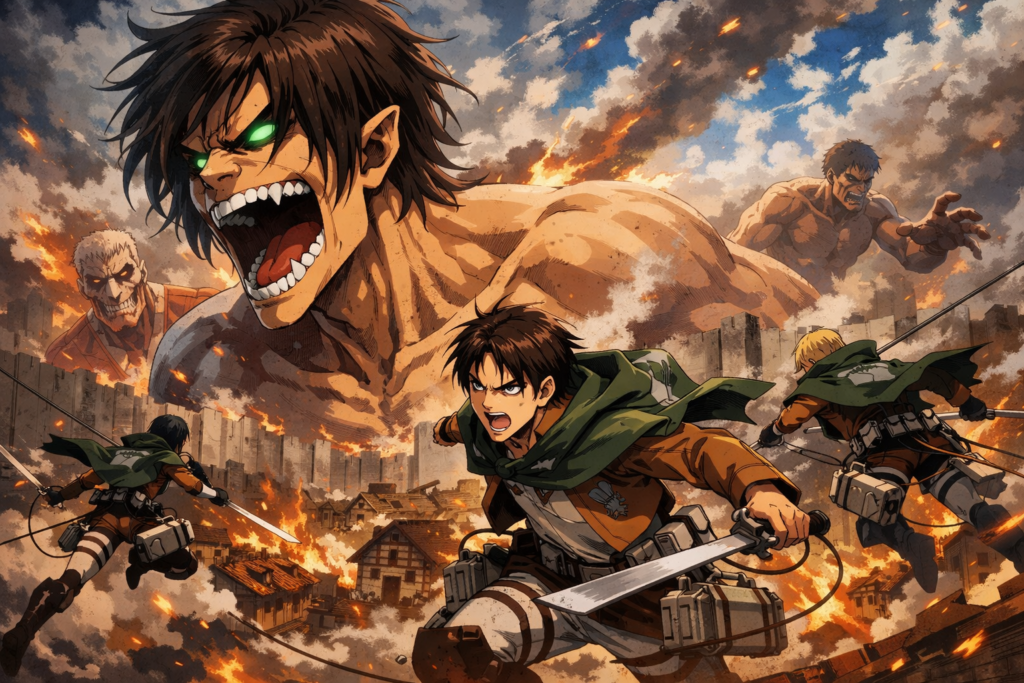
  • Attack on Titan

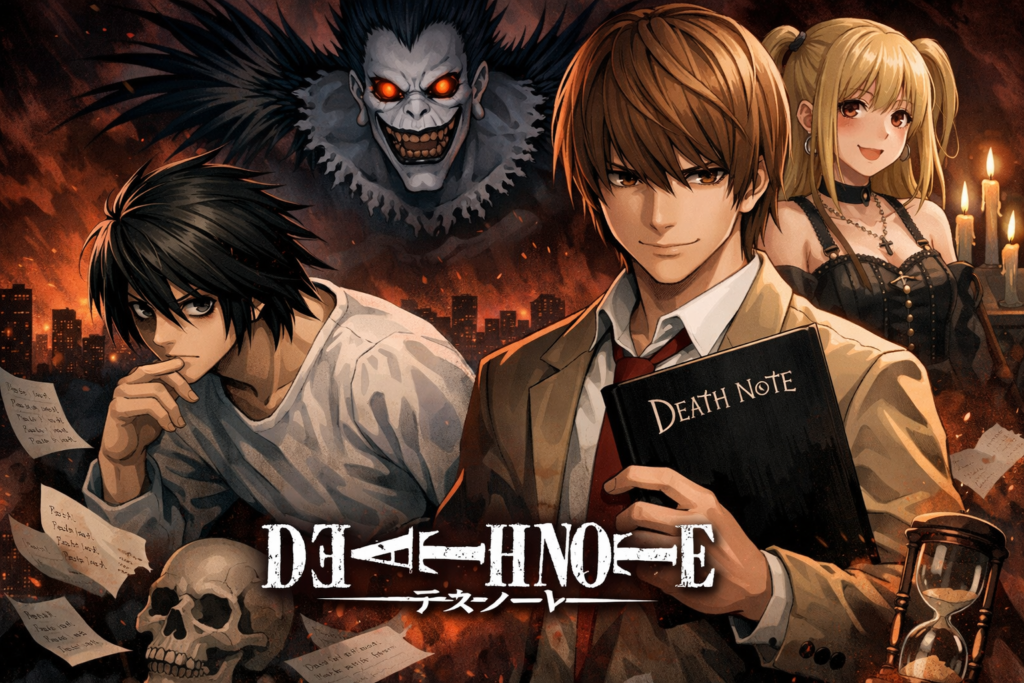
  • Death Note

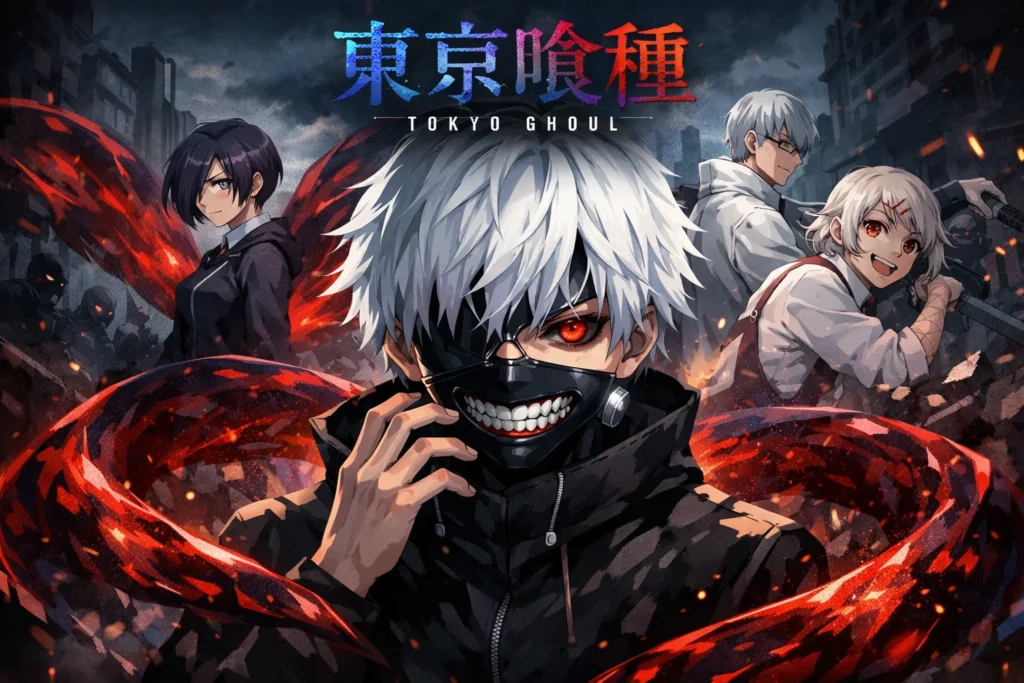
  • Tokyo Ghoul

These anime often challenge viewers intellectually and emotionally.

4. Isekai (Another World)

Isekai stories involve characters transported to fantasy or game-like worlds.

Famous examples:

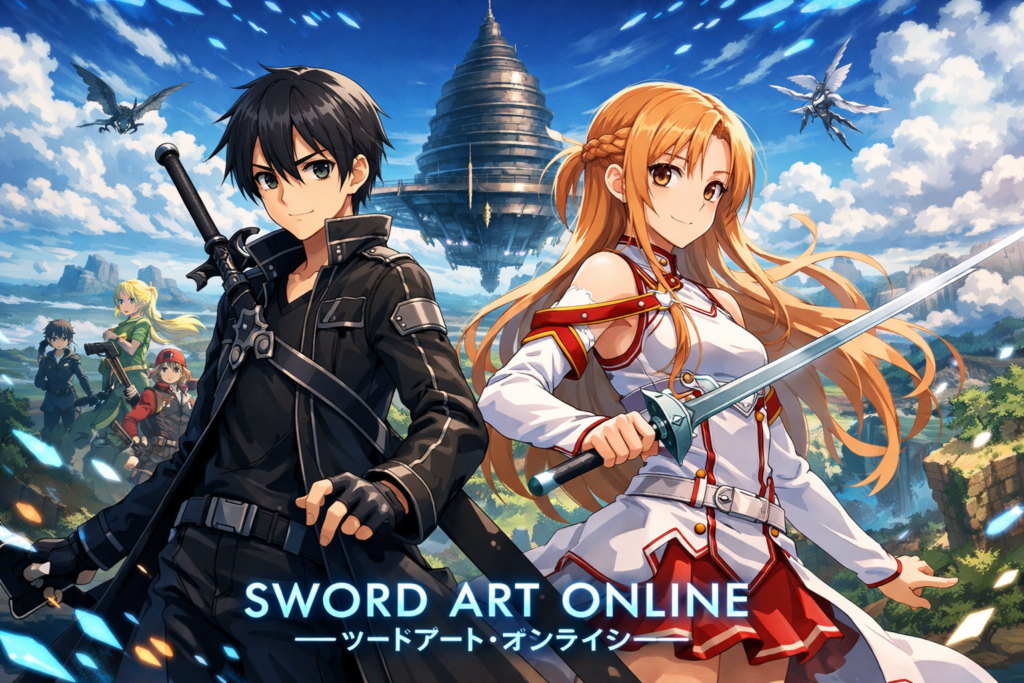
  • Sword Art Online

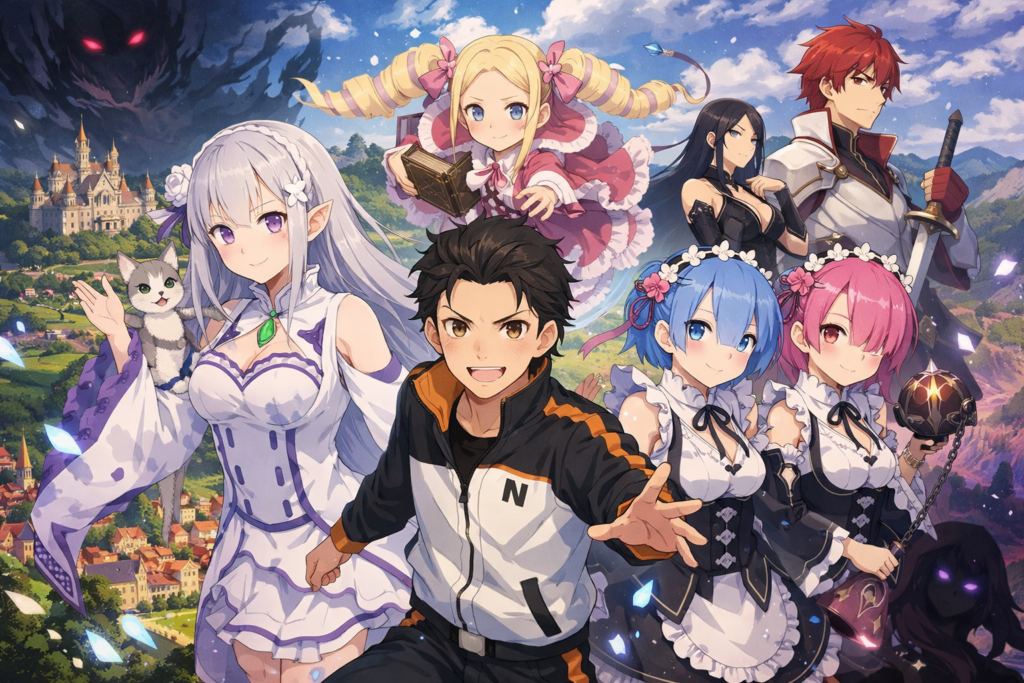
  • Re:Zero − Starting Life in Another World

This genre has exploded in popularity in recent years.

Cultural Impact of Anime

Anime has significantly influenced global pop culture. It has inspired:

  • Cosplay communities

  • Fan art and fan fiction

  • International conventions

  • Fashion trends

  • Video games

Movies like Your Name and Demon Slayer: Mugen Train have broken box office records worldwide.

Streaming services have introduced anime to new audiences, leading to rapid global expansion.

Why Anime is So Popular

Several factors explain anime’s growing popularity:

1. Deep Storytelling

Anime explores complex themes like identity, morality, love, trauma, and ambition.

2. Emotional Connection

Characters are often written with strong backstories, making them relatable.

3. Visual Creativity

Fantasy worlds, futuristic cities, and supernatural abilities provide limitless creative potential.

4. Wide Audience Appeal

Unlike many Western cartoons, anime is not limited to children.

Anime vs Cartoons

While both are animated, anime differs from typical Western cartoons in:

  • Tone (often more serious)

  • Character development depth

  • Narrative complexity

  • Cultural themes

However, the gap is narrowing as global animation styles influence one another.

The Future of Anime

The future of anime looks incredibly promising. With global streaming access, collaborations between Japanese and international studios, and growing fan communities, anime continues to expand.

New technologies like CGI integration and AI-assisted animation may transform production methods while preserving traditional artistry.

As anime becomes more mainstream, it is no longer just a subculture — it is a global entertainment powerhouse.