🏃♂️ Athletics: The Foundation of Sport and Human Performance

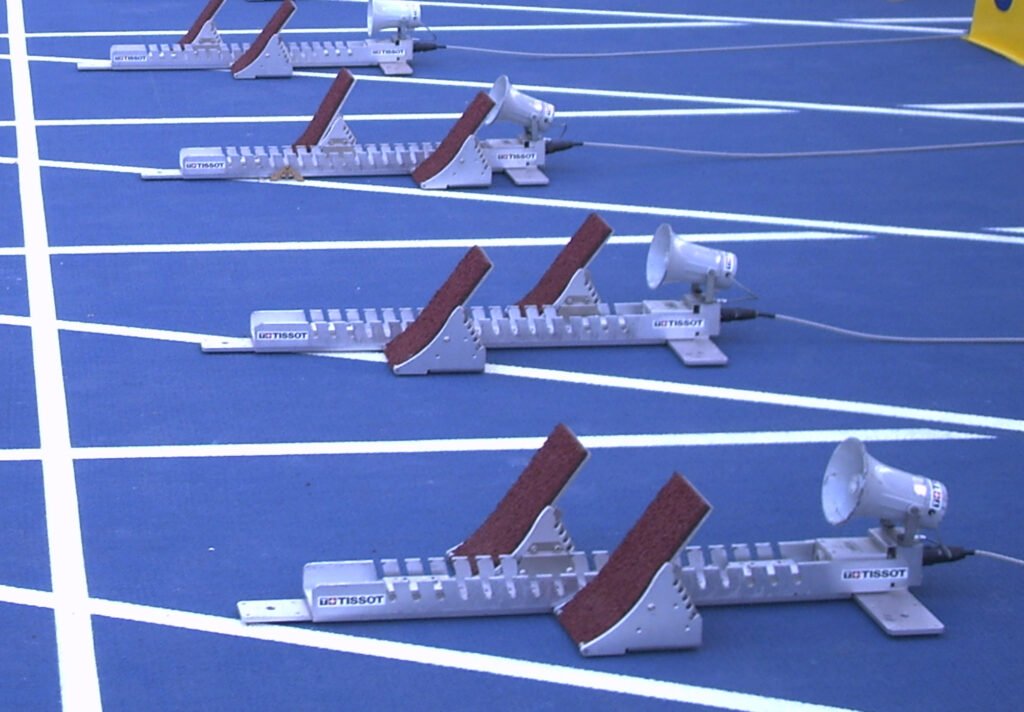
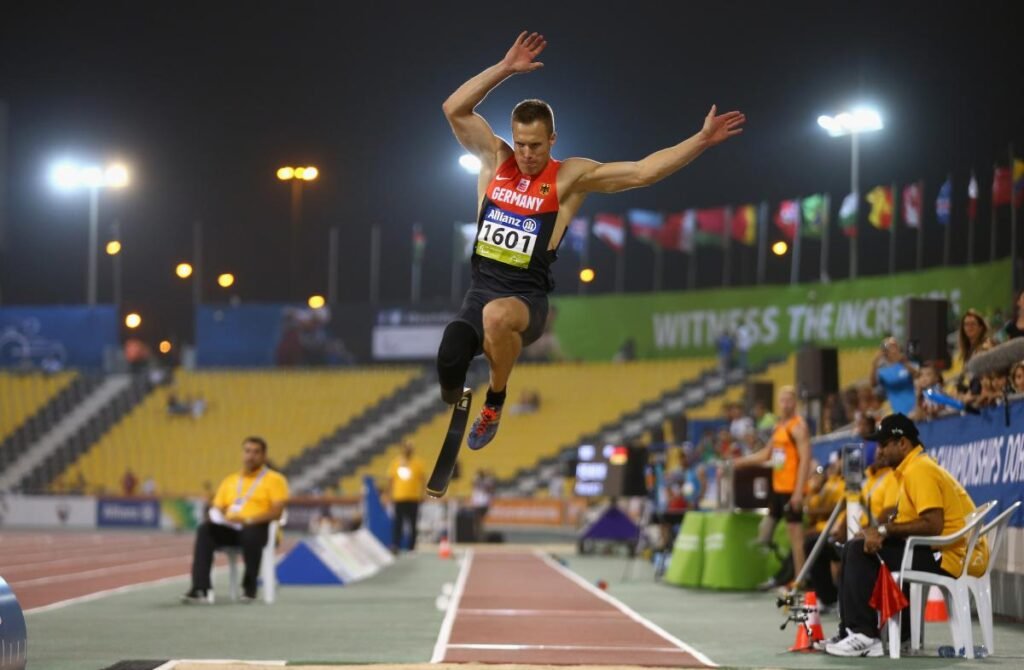
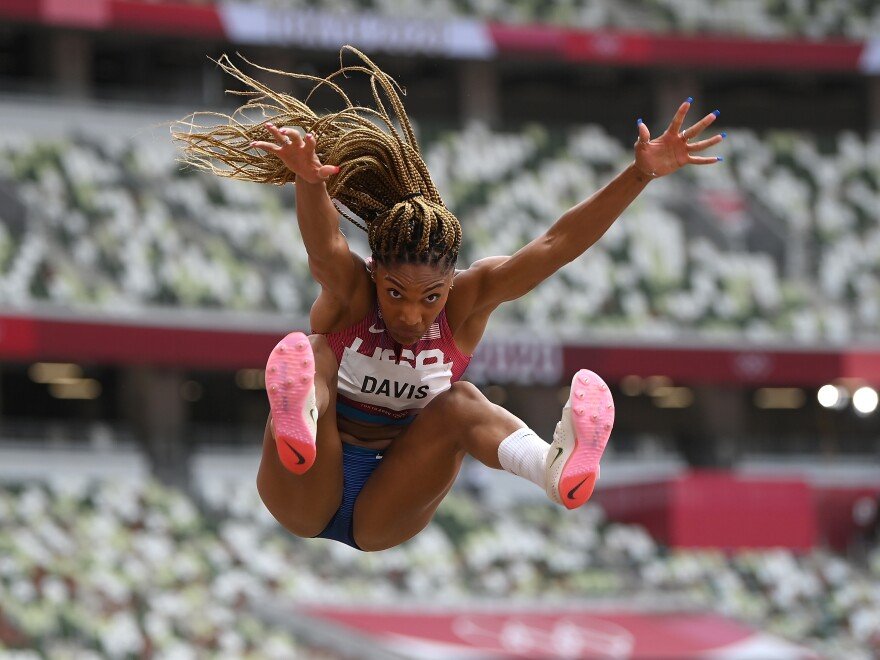
Athletics, often referred to as track and field, is one of the oldest and most fundamental forms of organized sport. It represents the purest expression of human physical ability—running, jumping, and throwing. From ancient civilizations to modern global competitions, athletics has remained a central pillar of sporting culture. It tests speed, strength, endurance, agility, and mental toughness, making it one of the most comprehensive sports disciplines in the world.
The Origins of Athletics
Athletics traces its roots back thousands of years to ancient civilizations, particularly ancient Greece. The first recorded athletic competition was held in 776 BCE as part of the ancient Olympic Games. The primary event at that time was a short foot race called the “stadion.” Over time, more events such as wrestling, discus throwing, and long jump were introduced.
Modern athletics as we know it today was formalized in the 19th century in England. The revival of the Olympic Games in 1896 by Pierre de Coubertin brought athletics back to global prominence. Since then, athletics has become the centerpiece of the modern Olympic Games.
Major Categories of Athletics
Athletics is broadly divided into several categories:
1. Track Events
Track events primarily involve running competitions conducted on a 400-meter oval track. These events are further classified into:
Sprints (100m, 200m, 400m)
Middle-distance races (800m, 1500m)
Long-distance races (5000m, 10,000m)
Hurdles (110m/100m hurdles, 400m hurdles)
Relay races (4×100m, 4×400m)
Sprint events are among the most popular. The 100-meter race is often regarded as the race to determine the “fastest person in the world.” Legendary athletes like Usain Bolt have captivated global audiences with record-breaking performances.
2. Field Events
Field events focus on jumping and throwing disciplines.
Jumping Events:
Long jump
Triple jump
High jump
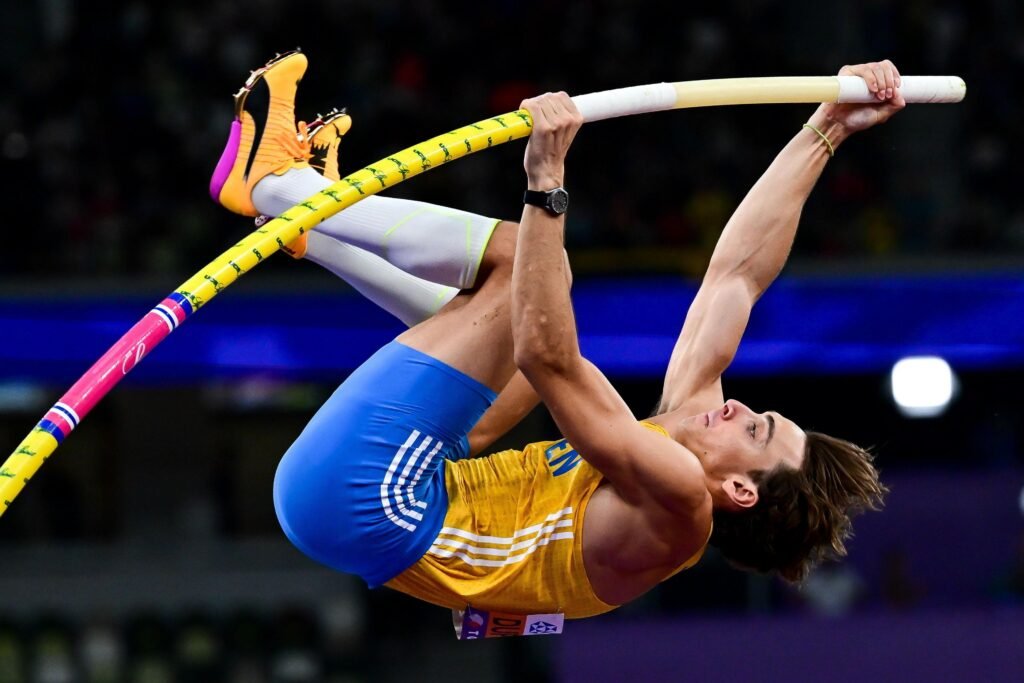
Pole vault
Throwing Events:
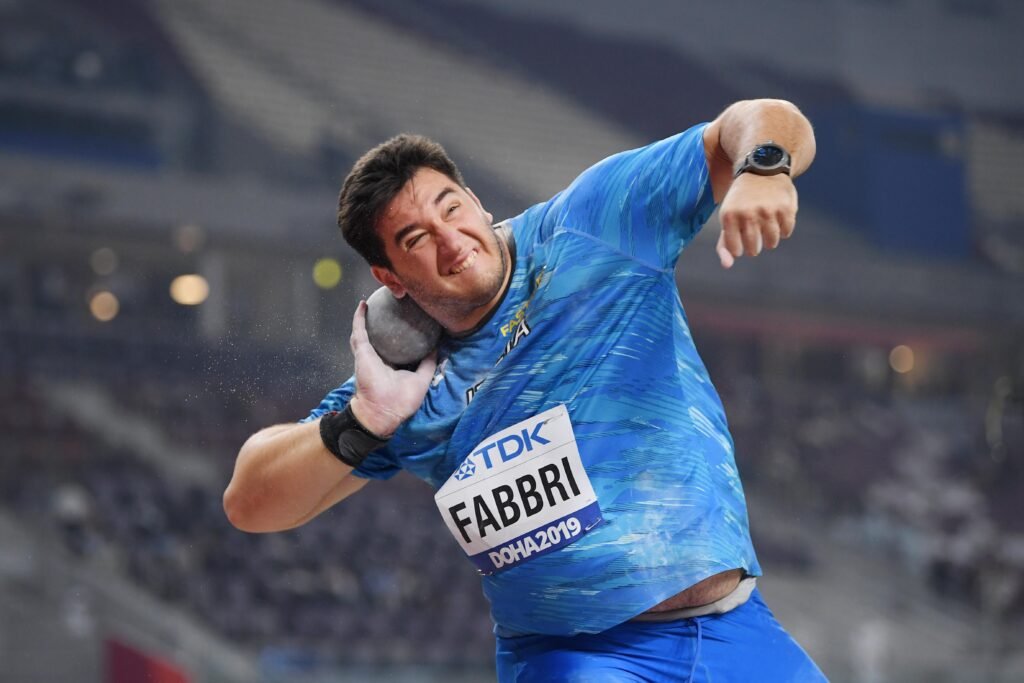
Shot put
Discus throw
Javelin throw
Hammer throw
These events require a combination of technique, explosive power, coordination, and balance.


3. Combined Events
Combined events test versatility. Athletes compete in multiple disciplines over one or two days.
Decathlon (men): 10 events
Heptathlon (women): 7 events
These events are considered among the toughest challenges in athletics, as competitors must master both track and field disciplines.
4. Road Running and Cross Country
Athletics also includes marathon races, race walking, and cross-country events. The marathon, covering 42.195 kilometers, demands extraordinary endurance and mental resilience.
Global Competitions
Athletics is showcased in major international competitions, including:
The Olympic Games
The World Athletics Championships
Continental championships (e.g., European, Asian, African)
National championships
The Olympic Games remain the most prestigious stage, where athletes from around the world compete for gold medals and national pride. Performances at this level often define careers and create legends.
Physical and Mental Benefits of Athletics
Athletics is not only a competitive sport but also a powerful tool for health and personal development.
Physical Benefits:
Improved cardiovascular health
Enhanced muscular strength and endurance
Better coordination and flexibility
Healthy weight management
Stronger bones and joints
Mental Benefits:
Increased discipline and focus
Stress reduction
Greater self-confidence
Goal-setting skills
Resilience and perseverance
Training for athletics demands consistency and commitment. Athletes often follow structured routines involving strength training, endurance workouts, speed drills, and recovery sessions.
Training and Preparation
Athletic training varies depending on the event. Sprinters focus on explosive power and acceleration, while long-distance runners prioritize aerobic capacity and stamina. Field event athletes emphasize technical drills and strength conditioning.
Nutrition plays a critical role in performance. Balanced diets rich in carbohydrates, protein, healthy fats, vitamins, and minerals help fuel intense training sessions. Hydration is equally important to maintain optimal physical function.
Recovery techniques such as stretching, physiotherapy, ice baths, and adequate sleep are vital to prevent injuries and enhance performance longevity.
Technology in Modern Athletics
Advancements in technology have significantly influenced athletics. High-performance footwear, aerodynamic clothing, and scientifically designed tracks improve speed and reduce injury risks. Motion analysis systems and wearable devices help coaches analyze performance data in real-time.
Electronic timing systems now measure races to the thousandth of a second, ensuring accuracy in competitions where margins of victory are incredibly small.
Iconic Athletes Who Shaped Athletics
Several athletes have left an indelible mark on the sport:
Carl Lewis – A multiple Olympic gold medalist known for sprinting and long jump.
Florence Griffith-Joyner – Famous for her incredible speed and distinctive style.
Eliud Kipchoge – Renowned for breaking marathon barriers.
Their achievements inspire millions of aspiring athletes worldwide.
The Role of Athletics in Education
Athletics plays a vital role in schools and universities. It encourages teamwork, leadership, and healthy competition. School track meets often serve as a stepping stone for future professional athletes.
Participation in athletics also promotes time management and academic balance, as student-athletes learn to juggle training with studies.
Inclusivity in Athletics
Athletics is one of the most inclusive sports globally. It offers opportunities for people of all ages, genders, and abilities. Events like the Paralympics provide a platform for athletes with disabilities to compete at elite levels.
Gender equality has also improved significantly over the decades, with women now competing in almost all athletic disciplines at international levels.
Challenges Facing Athletics
Despite its popularity, athletics faces challenges such as doping scandals, financial disparities between nations, and increasing competition from other sports. Organizations continuously work to ensure fair play through strict anti-doping regulations and testing procedures.
Maintaining integrity is crucial to preserving the credibility and spirit of athletics.
The Future of Athletics
The future of athletics looks promising. With increasing global participation, youth development programs, and technological innovation, the sport continues to evolve. Social media and digital broadcasting have made competitions more accessible, attracting new audiences worldwide.
Emerging talents continue to break records and push the limits of human performance, proving that athletics remains dynamic and exciting.