The Enduring Legacy of Cricket: A Global Game of Skill, Strategy, and Spirit
Cricket is more than a sport—it is a global cultural force that blends history, strategy, endurance, and passion into one of the most captivating games ever played.
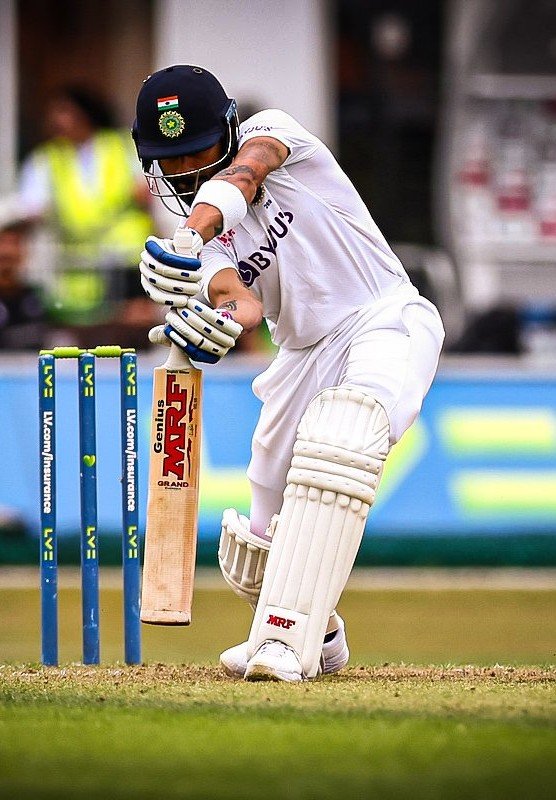
The Origins and Evolution of Cricket
Cricket’s roots stretch back to 16th-century England, where it began as a children’s pastime in rural communities. Over centuries, it transformed into a highly structured sport governed by rules and traditions. The establishment of the Marylebone Cricket Club (MCC) in 1787 played a crucial role in formalizing the Laws of Cricket, many of which still form the foundation of the modern game.
As the British Empire expanded, cricket traveled with it. It took firm root in countries like India, Australia, South Africa, and the West Indies. What began as a colonial sport evolved into a symbol of national pride and identity in many former colonies.
Today, the sport is governed globally by the International Cricket Council (ICC), which organizes major tournaments and oversees international competition across formats.
Understanding the Game: Formats and Fundamentals
Cricket is played between two teams of eleven players each. The objective is simple: score more runs than the opposition. Yet beneath this simplicity lies a web of strategy and technical precision.
There are three main international formats:
1. Test Cricket
The oldest and longest format, Test matches are played over five days. Each team bats and bowls twice (two innings each). Test cricket is often described as the ultimate examination of skill, patience, and mental toughness. It requires technical mastery and the ability to adapt to changing pitch and weather conditions.
2. One Day Internationals (ODIs)
Introduced in the 1970s, ODIs are limited to 50 overs per side. This format balances endurance with urgency, blending classical technique with aggressive stroke play.
3. Twenty20 (T20)
The shortest international format, T20 cricket allows each side just 20 overs. Fast-paced and explosive, it has revolutionized the sport, attracting new audiences and inspiring domestic leagues around the world.
Cricket’s Global Powerhouses
Several nations have shaped cricket’s competitive landscape:
-
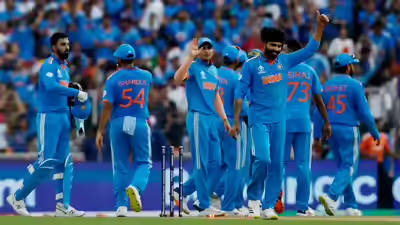
India national cricket team – With a passionate fan base and immense domestic structure, India has become a dominant force across formats.
-
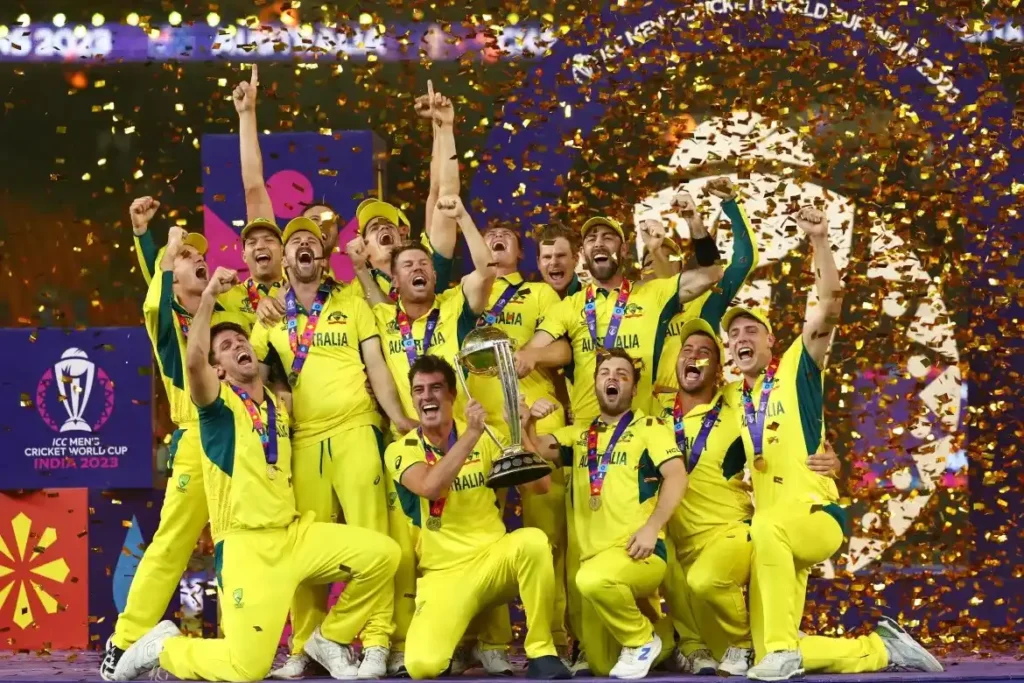
Australia national cricket team – Historically one of the most successful teams, known for their aggressive and disciplined style.
-
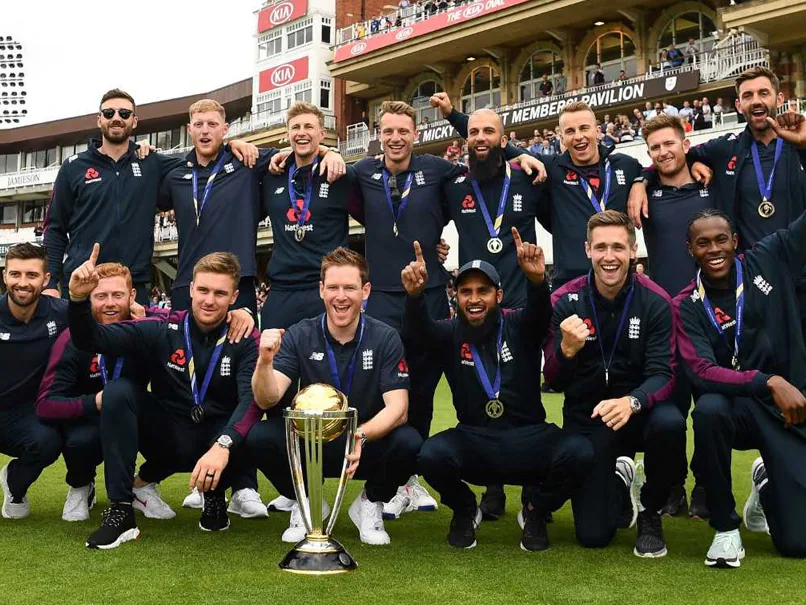
England cricket team – The birthplace of cricket, innovators of modern limited-overs strategy.
-
Pakistan national cricket team – Renowned for producing extraordinary fast bowlers and unpredictable brilliance.
Other nations such as South Africa, New Zealand, Sri Lanka, and the West Indies have also left profound marks on the game.
Legendary Players Who Shaped the Sport
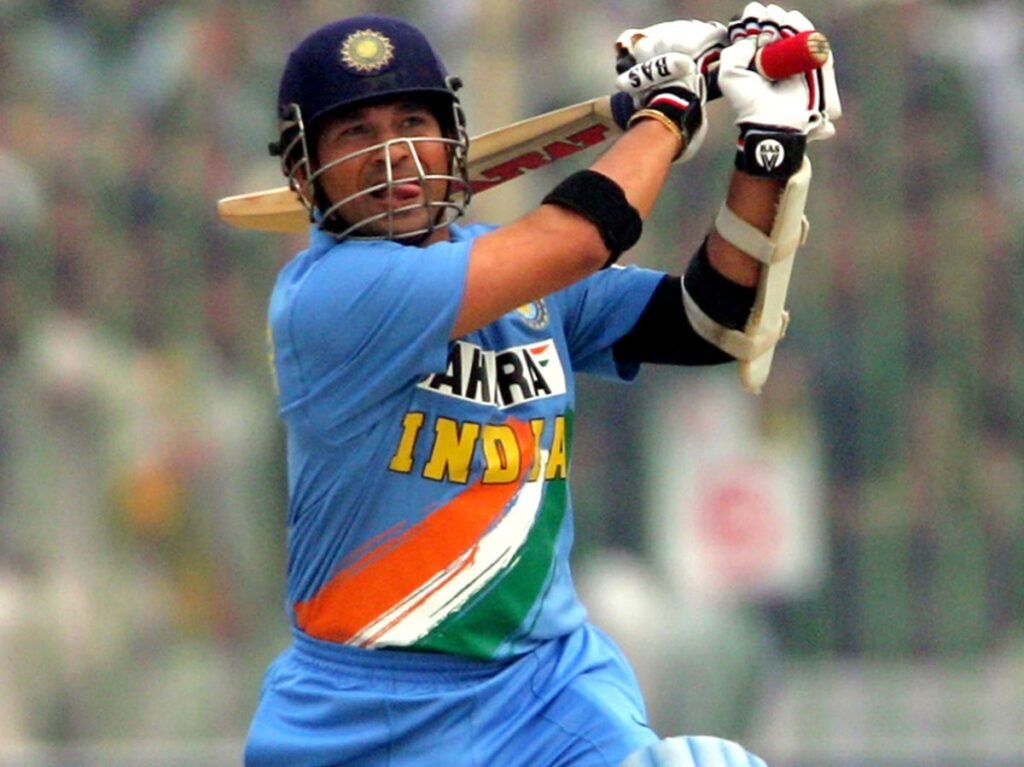


Throughout history, cricket has produced iconic figures whose performances transcend statistics.
-
Sachin Tendulkar – Revered as the “Little Master,” he remains one of the highest run-scorers in international cricket history.
-
Don Bradman – With a staggering Test average of 99.94, Bradman’s legacy remains unmatched.
-
Muttiah Muralitharan – The leading wicket-taker in international cricket, known for his unorthodox spin bowling.
-
Jacques Kallis – One of the greatest all-rounders, excelling with both bat and ball.
These players not only achieved greatness individually but elevated the global appeal of cricket.
Strategy and Skill: The Chess Match on Grass
Cricket is often compared to chess due to its strategic complexity. Every delivery bowled involves calculated decisions. Captains must carefully position fielders, rotate bowlers, and anticipate batting tactics.
Batting demands technical precision—footwork, timing, and shot selection are critical. Bowlers, on the other hand, rely on variations in pace, swing, seam movement, and spin to outwit batsmen. Fielding has evolved significantly, with athleticism now a defining factor in modern cricket.
Test cricket emphasizes patience and long-term strategy, while T20 requires instant decision-making and innovative stroke play. The adaptability of players across formats defines modern greatness.