Football (Soccer): The World’s Most Beloved Game
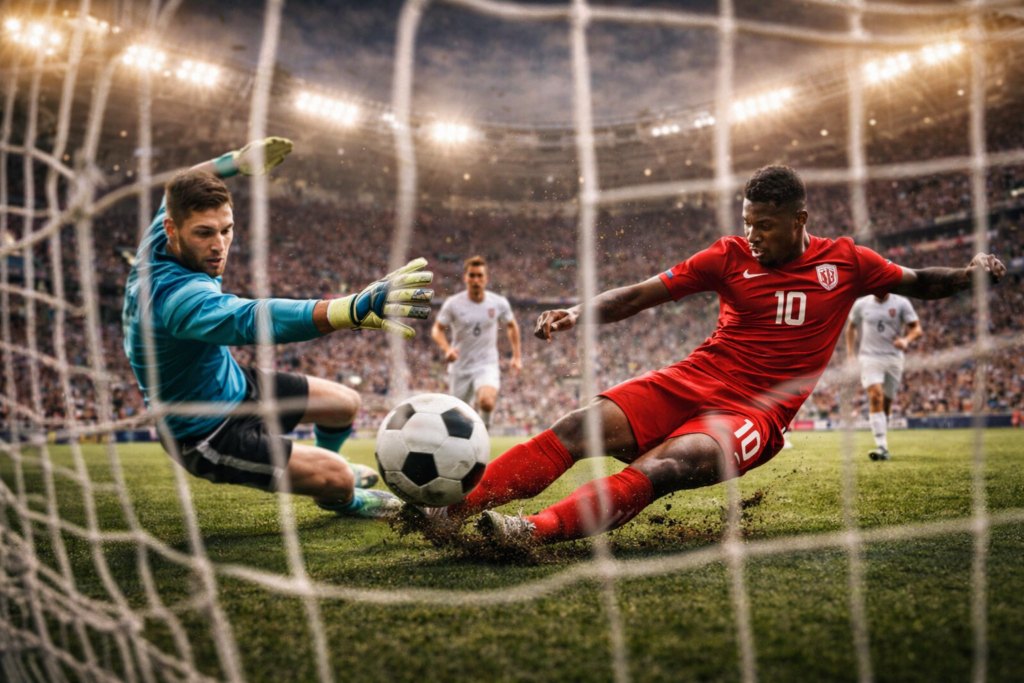
Football, known as soccer in some countries, is the most popular sport on the planet. Played and watched by billions, it transcends language, culture, and geography. From dusty streets in small villages to iconic stadiums filled with roaring fans, football is more than just a game—it is a global phenomenon that unites people of all backgrounds. Its simplicity, accessibility, and emotional intensity have made it the “beautiful game,” a term famously associated with the legendary Brazilian player Pelé.

The Origins and History of Football
Modern football traces its roots to 19th-century England. Although various forms of ball games were played in ancient civilizations such as China, Greece, and Rome, the standardized version of football began to take shape in England’s public schools. In 1863, the The Football Association was established in London, creating a unified set of rules and separating association football from rugby.
The sport quickly spread across Europe and South America through trade, colonization, and migration. By the early 20th century, football had become an international sport. In 1904, FIFA (Fédération Internationale de Football Association) was founded in Paris to oversee international competitions. Today, FIFA governs global tournaments and has over 200 member associations, making it one of the largest sports organizations in the world.
The Rules and Structure of the Game
Football is played between two teams of eleven players each. The objective is simple: score more goals than the opposing team by getting the ball into their net. Matches are typically divided into two 45-minute halves, with a 15-minute halftime break. If the score is tied in knockout competitions, extra time and penalty shootouts may determine the winner.
Players are assigned specific positions such as goalkeeper, defenders, midfielders, and forwards. Each role requires unique skills and responsibilities. The goalkeeper is the only player allowed to use their hands, but only within the penalty area. The rest of the players rely on their feet, head, and body control to pass, shoot, and defend.
Referees enforce the rules and ensure fair play. Yellow and red cards are issued for misconduct, and the offside rule prevents players from gaining an unfair advantage by staying too close to the opponent’s goal.
Major International Competitions


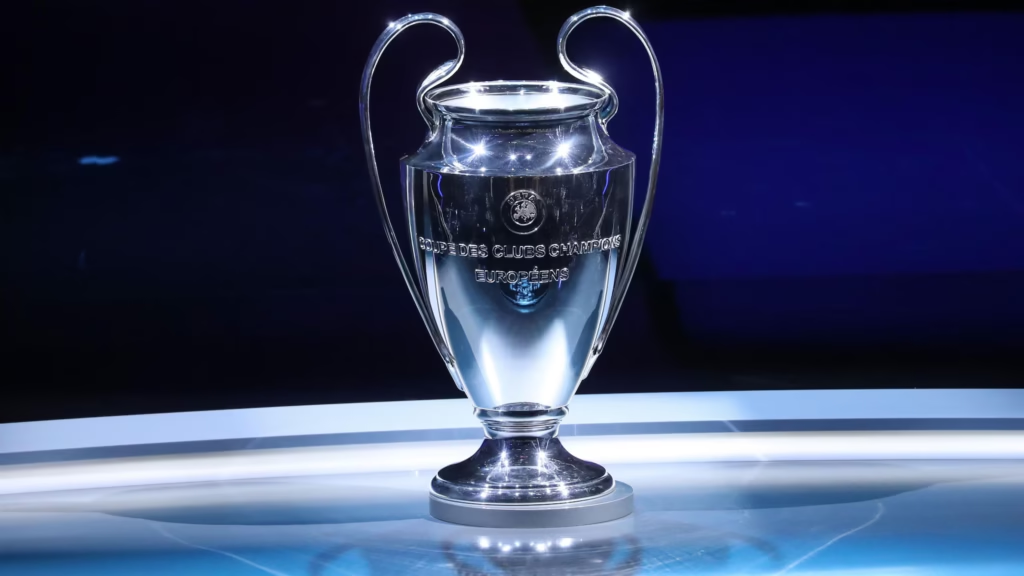

Football’s global appeal is most evident during major international tournaments. The most prestigious of all is the FIFA World Cup, held every four years. National teams from around the world compete for the coveted trophy, and billions tune in to watch. Countries such as Brazil, Germany, and Argentina have achieved legendary status through their World Cup successes.
At the club level, the UEFA Champions League is considered the pinnacle of European football. Top clubs from different countries compete in a season-long tournament, culminating in a grand final watched worldwide.
Other major tournaments include the Copa América in South America and the Africa Cup of Nations in Africa. These competitions showcase regional talent and intensify national pride.
Legendary Players Who Shaped the Game



Throughout its history, football has produced iconic players whose skill and charisma have inspired generations. Pelé is often regarded as one of the greatest players of all time, winning three World Cups with Brazil. His flair, vision, and goal-scoring ability made him a global ambassador for the sport.
Diego Maradona became a legend after leading Argentina to victory in the 1986 World Cup, famously scoring both the “Hand of God” goal and the “Goal of the Century” in the same match.
In modern football, Lionel Messi and Cristiano Ronaldo have dominated the sport for over a decade. Their rivalry, marked by extraordinary goal-scoring records and multiple individual awards, has defined an era and captivated fans worldwide.
The Cultural Impact of Football
Football is deeply embedded in many cultures. In countries like Brazil, Argentina, Spain, and England, it is not just a sport but a way of life. Local clubs often represent neighborhoods and communities, creating fierce rivalries and lifelong loyalties.
Derby matches—games between rival teams from the same city—are especially intense. The atmosphere in stadiums during these matches is electric, with fans chanting, waving flags, and displaying colorful banners. Football songs and traditions are passed down through generations, strengthening community bonds.
Moreover, football has the power to bring about social change. It has been used as a platform to promote equality, fight racism, and encourage unity. Campaigns and initiatives led by players and organizations aim to make the sport more inclusive and respectful.
Youth Development and Grassroots Football
One of football’s greatest strengths is its accessibility. All that is needed is a ball and an open space. This simplicity has allowed the sport to thrive in both wealthy and underprivileged communities.
Youth academies play a crucial role in nurturing talent. Professional clubs invest heavily in training young players, teaching them technical skills, discipline, and teamwork. Many world-class players began their journey in local academies before rising to international fame.
Street football also plays a significant role in developing creativity and improvisation. Informal games encourage players to experiment with tricks and techniques, often leading to unique playing styles.
The Business of Modern Football
In the modern era, football has become a massive industry. Broadcasting rights, sponsorship deals, and player transfers generate billions of dollars annually. Top clubs are global brands with millions of followers on social media.
Player transfers often make headlines, with record-breaking fees paid to secure star talent. While commercialization has brought financial growth and technological advancements, it has also sparked debates about the balance between tradition and business interests.
Despite the financial aspects, the heart of football remains its unpredictability. Underdog teams can defeat giants, and dramatic last-minute goals can change history. This unpredictability keeps fans emotionally invested season after season.
Technology and Innovation in Football
Technology has transformed the way football is played and officiated. The introduction of goal-line technology ensures accurate decisions on whether the ball has crossed the line. Video Assistant Referee (VAR) systems help officials review controversial incidents, improving fairness and transparency.
Sports science has also advanced player performance. Nutrition, fitness training, and injury prevention methods have extended players’ careers and enhanced the quality of the game.
Why Football Is the Beautiful Game
Football’s universal appeal lies in its simplicity and emotional depth. A single goal can spark joy, heartbreak, or disbelief. The shared experience of watching a match—whether in a stadium, a café, or at home—creates unforgettable memories.
The sport teaches teamwork, discipline, perseverance, and respect. It connects strangers and strengthens friendships. Regardless of language or nationality, a love for football creates instant understanding among fans.
In conclusion, football (soccer) is more than just a sport; it is a global language spoken by millions. From its historic origins in England to the dazzling performances on the world stage, football continues to inspire passion and unity. As long as there is a ball to kick and a goal to chase, the beautiful game will continue to thrive, capturing hearts across generations