🎾 The Sport of Tennis: History, Rules, Legends, and Global Impact
Tennis is one of the world’s most popular and widely played sports, combining athleticism, strategy, mental toughness, and precision. Played in over 200 countries and followed by millions of fans, tennis has evolved from a medieval pastime into a global professional sport with iconic tournaments and legendary athletes. From the grass courts of Wimbledon to the hard courts of New York, tennis continues to captivate audiences across generations.
🏛️ The Origins and History of Tennis
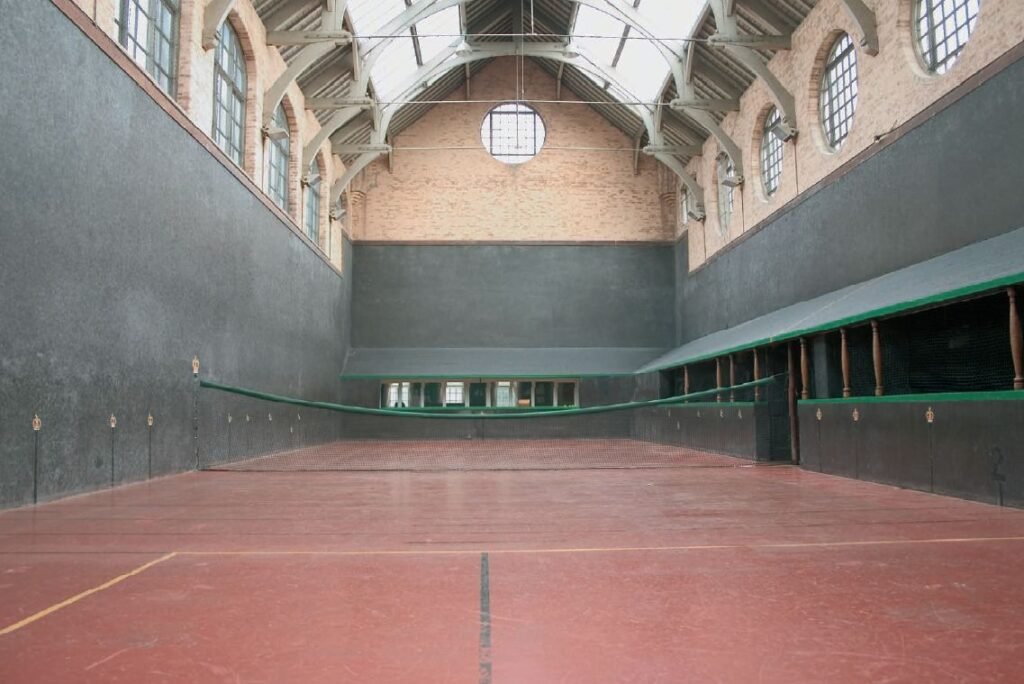
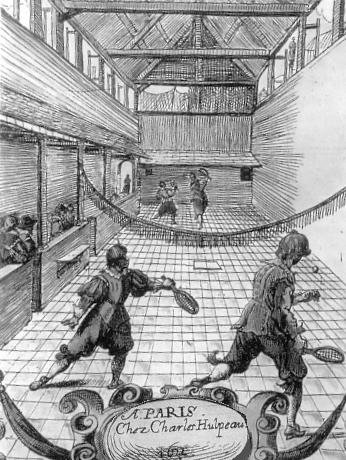
The origins of tennis can be traced back to 12th-century France, where a game called jeu de paume (“game of the palm”) was played by striking a ball with the hand. Over time, rackets were introduced, and the game evolved into what became known as “real tennis,” still played in limited locations today.
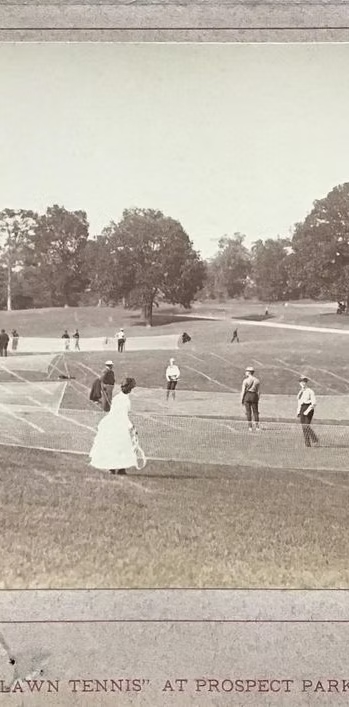
Modern lawn tennis began in the late 19th century in England. Major Walter Clopton Wingfield standardized the game in 1873, and the first Wimbledon Championship was held in 1877. The sport quickly spread to the United States, Australia, and beyond, becoming a fixture in international competition.
The establishment of the four Grand Slam tournaments solidified tennis as a global sport:
Australian Open (hard court)
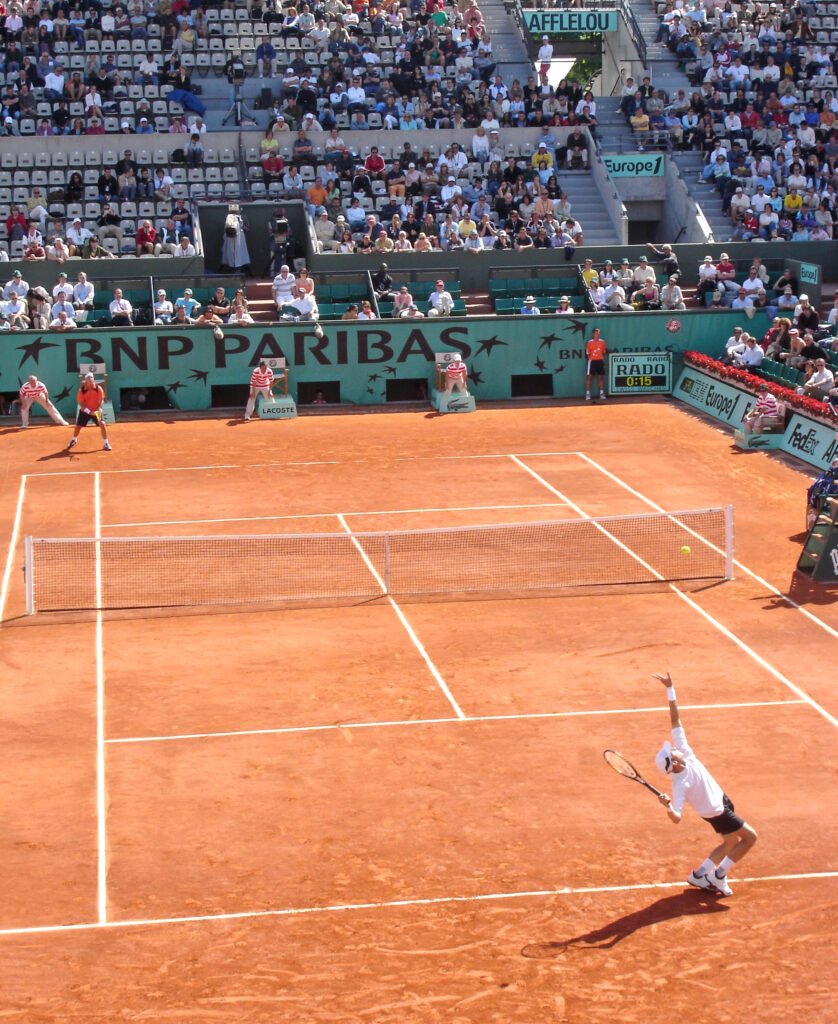
French Open (clay court)
Wimbledon (grass court)
US Open (hard court)
These tournaments represent the pinnacle of professional tennis achievement.
📏 Rules and Scoring System
Tennis can be played as singles (one player per side) or doubles (two players per side). Players use a racket to hit a felt-covered rubber ball over a net into the opponent’s court.
Court Dimensions
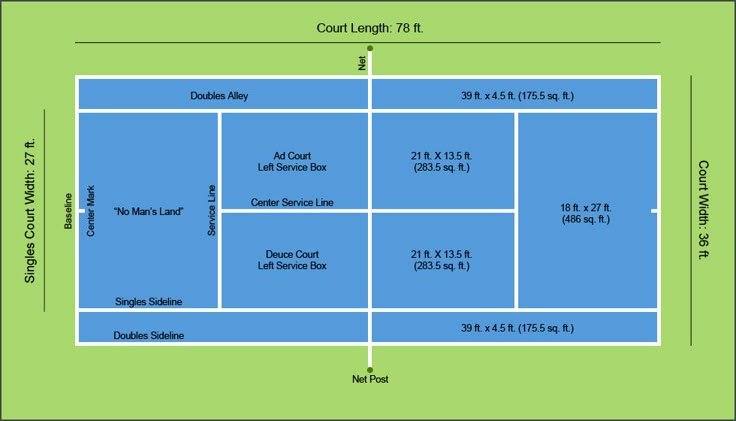
A standard tennis court measures 78 feet long. Singles courts are 27 feet wide, while doubles courts are 36 feet wide.
Scoring System
Tennis has a unique scoring structure:
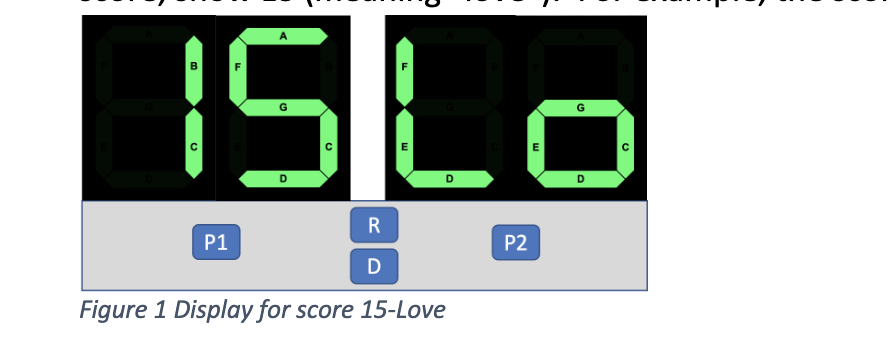
0 points = Love
1 point = 15
2 points = 30
3 points = 40
4 points = Game (must win by 2 points)
A player must win six games to win a set (by at least two games). Matches are typically best-of-three sets, though men’s Grand Slam matches are best-of-five.
Tiebreaks are played at 6–6 in most tournaments, adding excitement and tension.
🌍 The Grand Slam Tournaments
The four Grand Slam tournaments each have distinct characteristics:
1. Wimbledon Championships
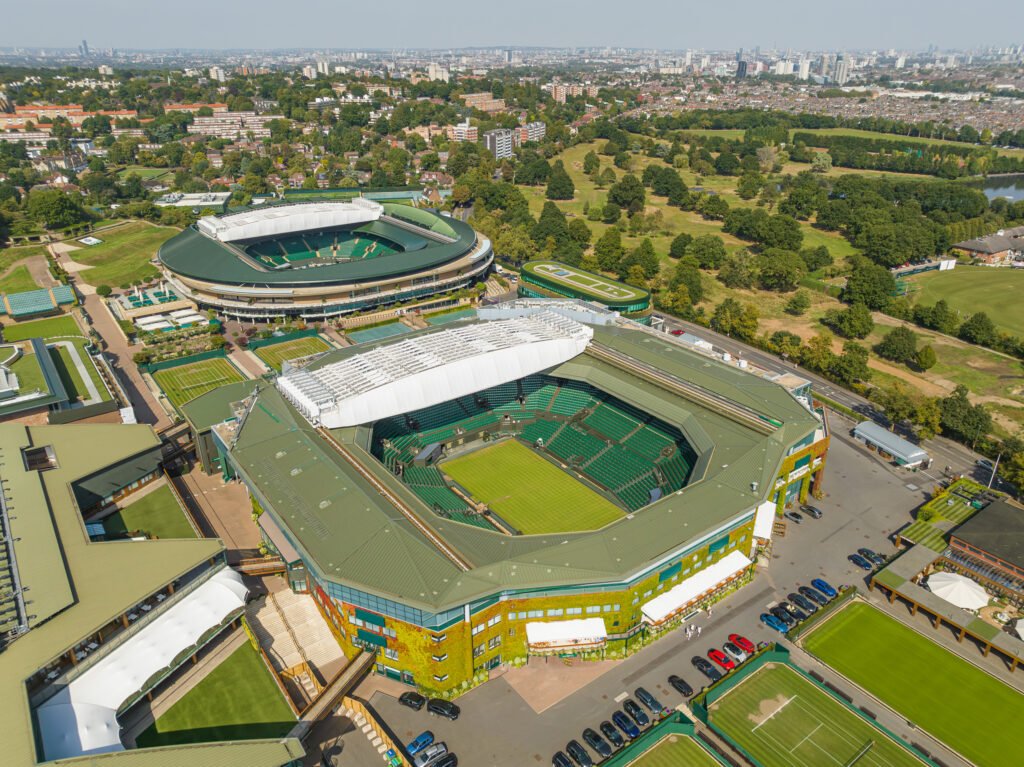
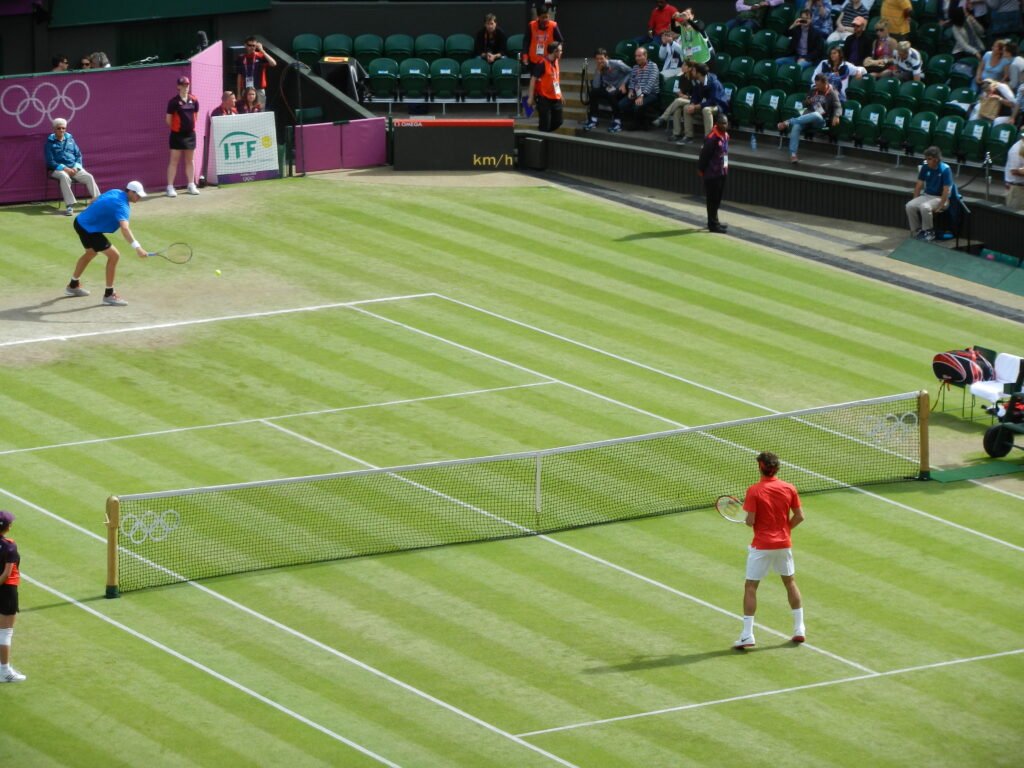
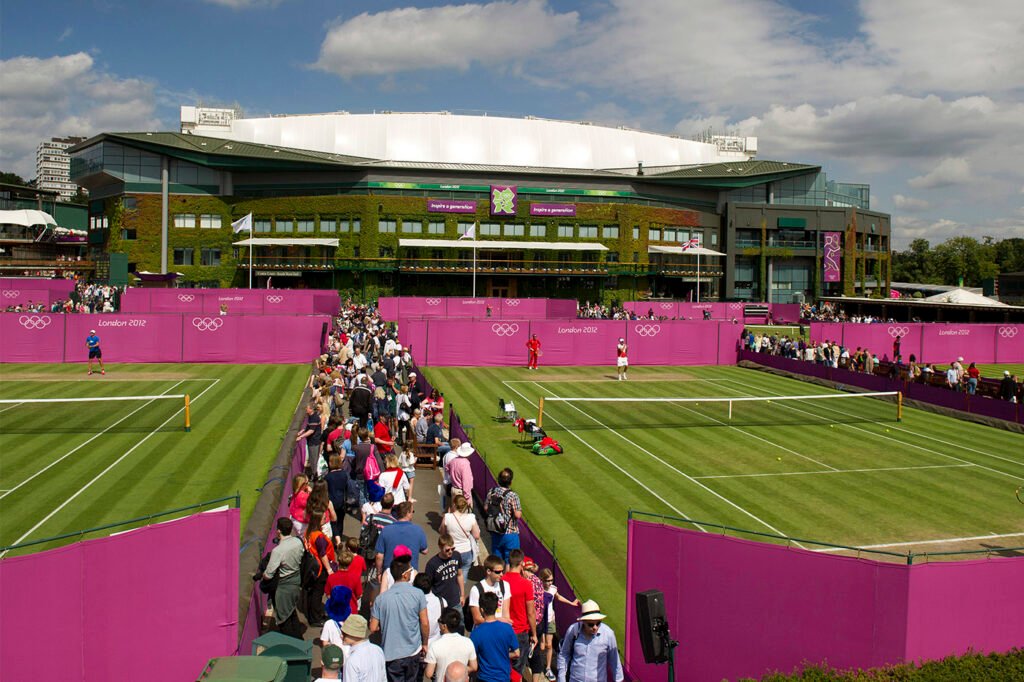
Held in London since 1877, Wimbledon is the oldest and most prestigious tennis tournament. Known for its grass courts, strict dress code (all white attire), and royal patronage, it represents tradition and excellence.
2. French Open
Played on clay courts at Roland Garros in Paris, this tournament demands endurance and patience due to slower ball speeds and longer rallies.
3. US Open
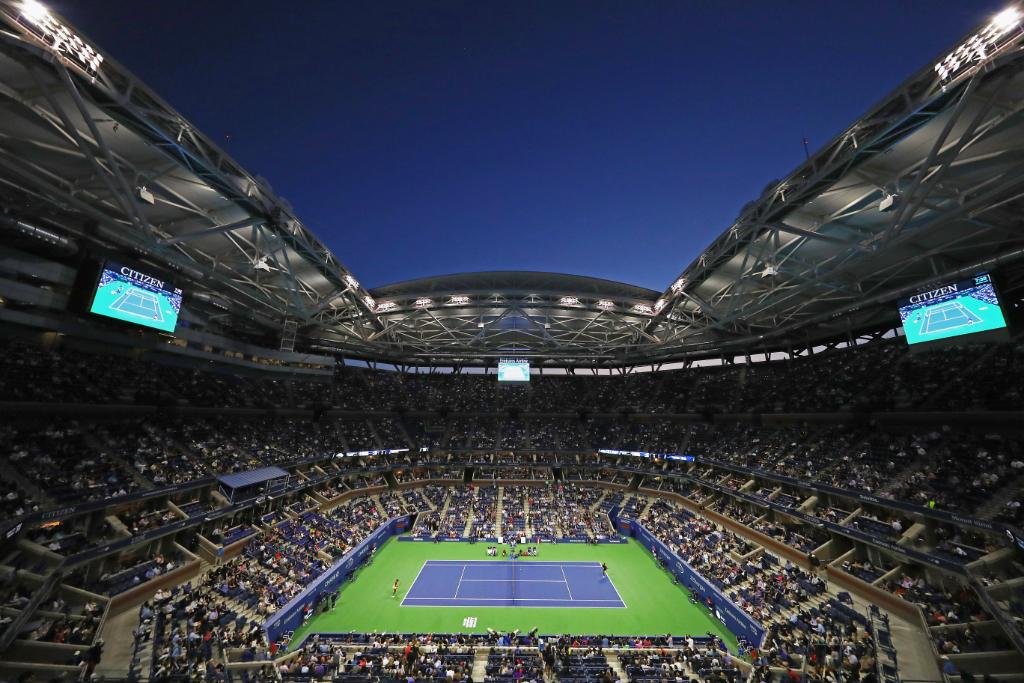
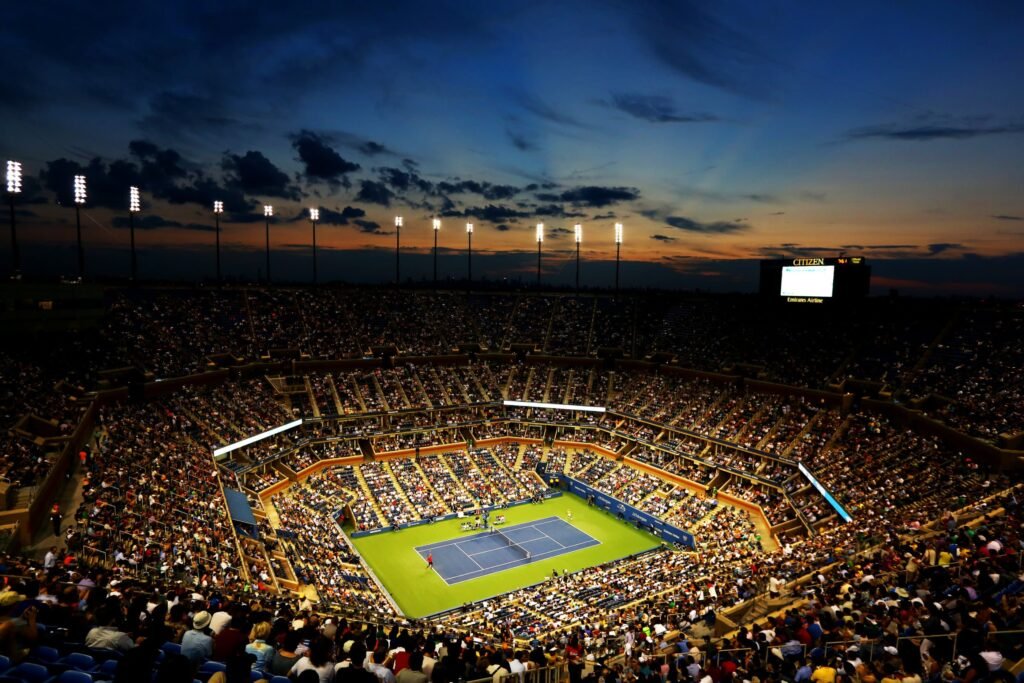
Held in New York City, the US Open is known for its energetic crowds and night matches at Arthur Ashe Stadium.
4. Australian Open
Hosted in Melbourne, this tournament kicks off the Grand Slam calendar each January, often played in extreme summer heat.
Winning all four in a single year is known as achieving a “Calendar Grand Slam,” one of the rarest feats in sports.

🏆 Legendary Tennis Players
Throughout history, tennis has produced extraordinary champions who have shaped the sport:
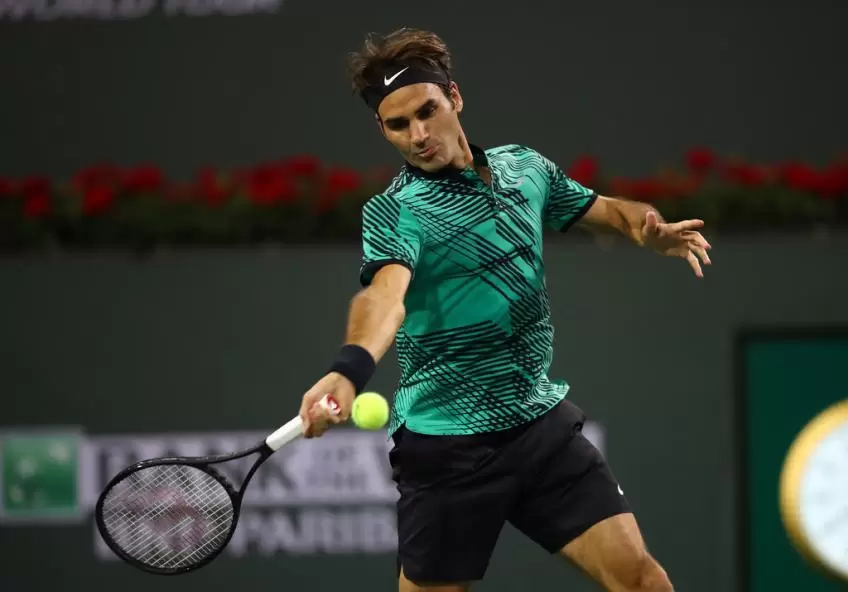
Roger Federer – Known for his elegance and fluid playing style, Federer won 20 Grand Slam titles and dominated Wimbledon.
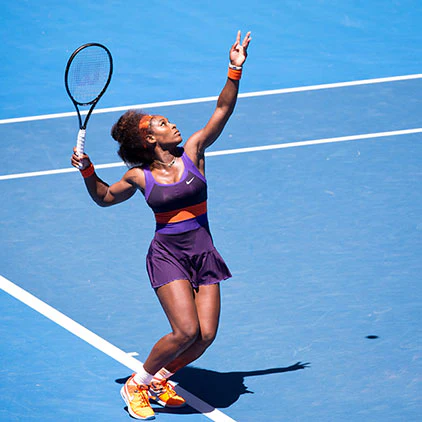
Serena Williams – One of the greatest female athletes of all time, she won 23 Grand Slam singles titles in the Open Era.
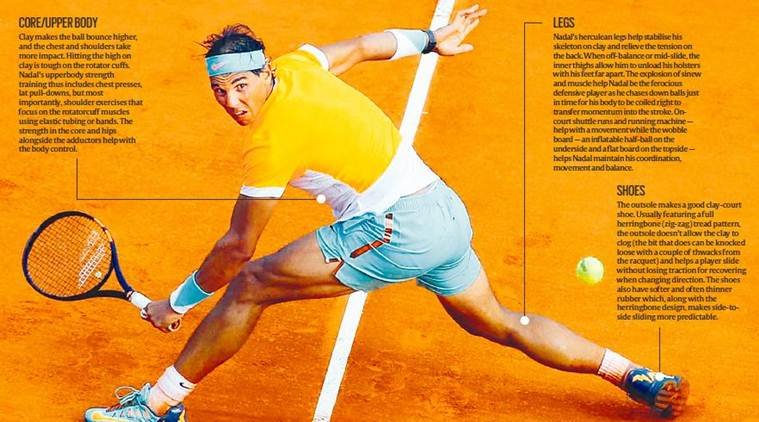
Rafael Nadal – Famous as the “King of Clay,” Nadal has dominated the French Open.
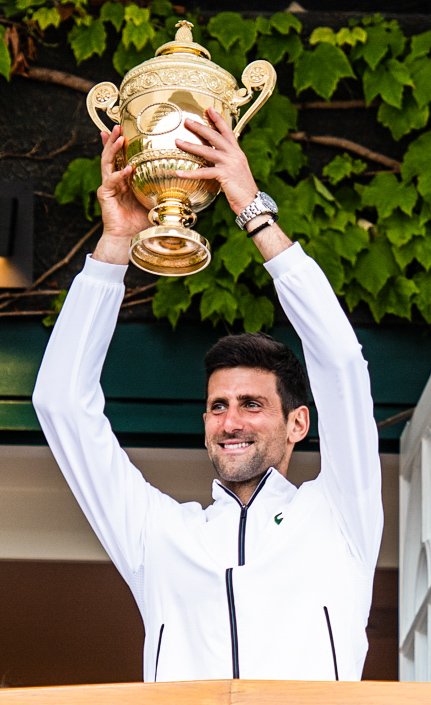
Novak Djokovic – Known for his incredible flexibility and mental resilience, Djokovic holds numerous records in men’s tennis.
These athletes not only broke records but also expanded tennis’s global appeal.
🧠 The Mental and Physical Demands
Tennis is often described as a physical chess match. Players must combine speed, strength, agility, and endurance with tactical intelligence.
Physical Requirements
Quick lateral movement
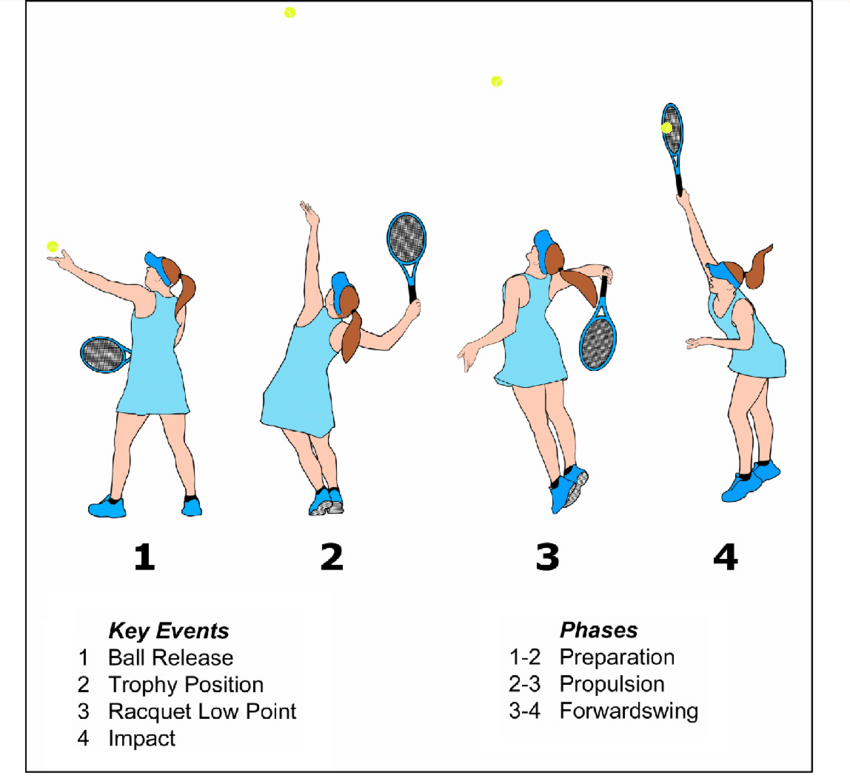
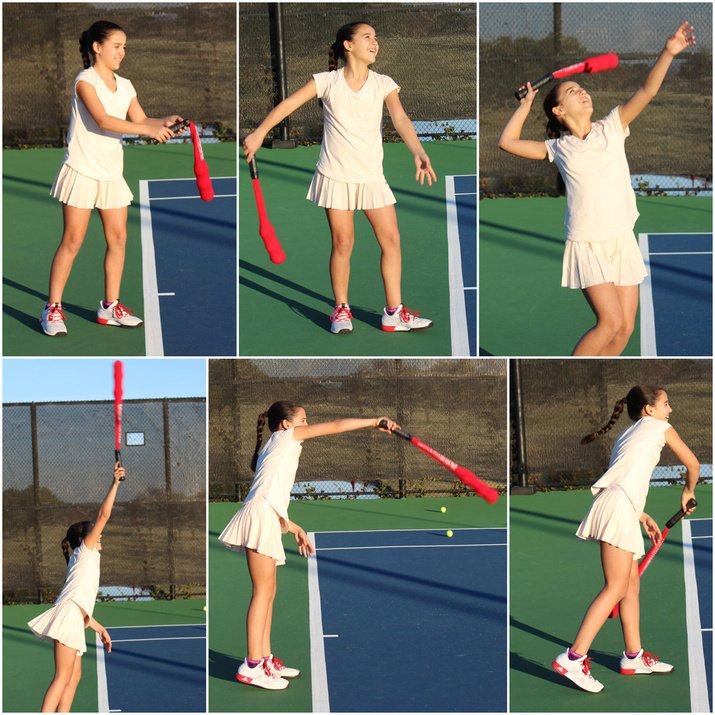
Explosive serves (often exceeding 130 mph)
Strong core and upper body control
Cardiovascular endurance for long matches
Mental Strength
Unlike team sports, tennis players compete alone. They must manage pressure, momentum shifts, and emotional control. Matches can last over five hours, demanding extraordinary focus.
Sports psychologists now play a major role in elite tennis, helping players refine their mental resilience.
🎾 Surfaces and Playing Styles
Different court surfaces dramatically affect gameplay:
Grass – Fast surface, favors big servers and aggressive players.
Clay – Slow surface, produces high bounces and long rallies.
Hard Court – Balanced surface, combining speed and consistency.
For example, Nadal thrives on clay, while Federer excelled on grass. Djokovic’s adaptability has allowed him to succeed across all surfaces.
🌟 Tennis at the Olympic Games
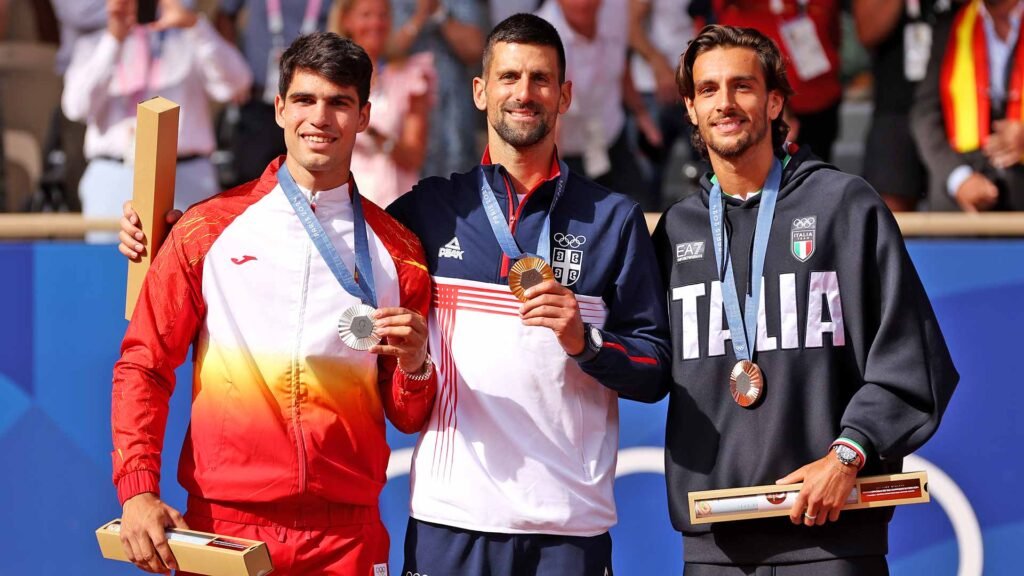
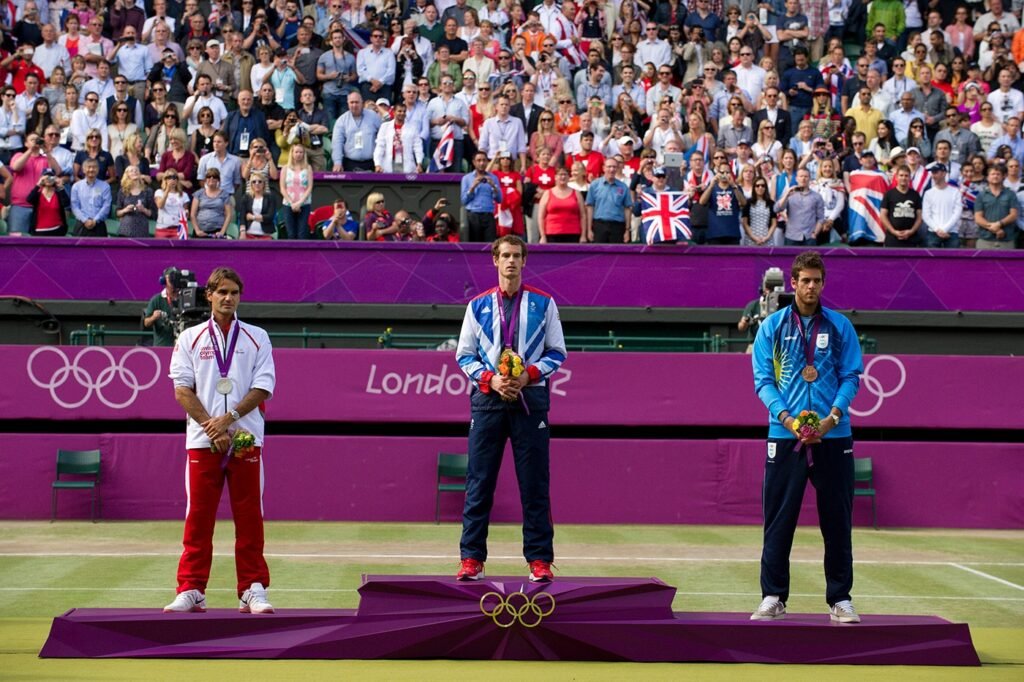
Tennis became a permanent Olympic sport in 1988 after a long absence. Winning Olympic gold is considered one of the highest honors in the sport. Some players have achieved a “Golden Slam,” which includes all four Grand Slams plus an Olympic gold medal in the same year.
👟 Equipment and Technology
Modern tennis equipment has evolved significantly:
Rackets: Transitioned from wood to graphite composites for greater power and control.
Strings: Polyester and synthetic materials enhance spin potential.
Hawk-Eye Technology: Used for electronic line calling and challenges.
Performance Apparel: Designed for flexibility, breathability, and endurance.
Technology has made the sport faster and more precise while also improving fairness in officiating.
🌎 Tennis as a Global Sport
Tennis transcends borders, cultures, and languages. Major tournaments are broadcast worldwide, and grassroots programs promote participation among youth.
Countries such as Spain, Serbia, the United States, Australia, and Switzerland have produced champions who inspire millions. Emerging talents from Asia, Africa, and South America continue to diversify the sport.
Professional tours include:
ATP Tour (men’s tennis)
WTA Tour (women’s tennis)
Equal prize money at Grand Slams has been a landmark achievement for gender equality in sports.
❤️ Why Tennis Endures
Tennis remains popular because it offers something for everyone:
A lifelong recreational activity
A professional global spectacle
A test of individual character
A blend of art and athleticism
Whether played in a local park or on Centre Court at Wimbledon, tennis represents discipline, strategy, and passion. Its blend of tradition and innovation ensures that it will continue to thrive for generations to come.
From historic grass courts to modern stadium arenas, tennis is more than just a sport—it is a global cultural phenomenon that unites athletes and fans around the world. 🎾