🌌 DARK Web-Series: A Deep Dive into Netflix’s Mind-Bending Masterpiece
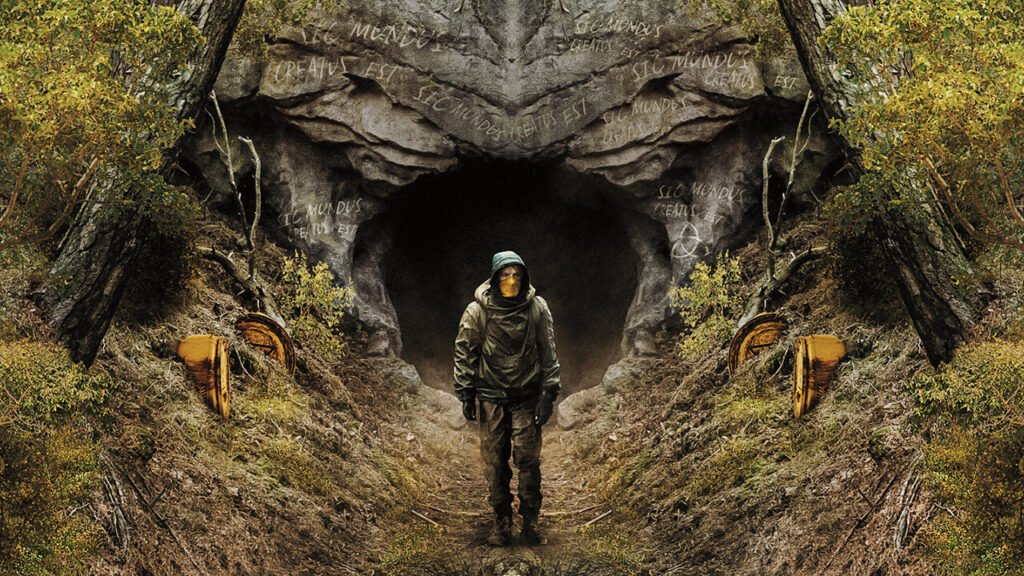
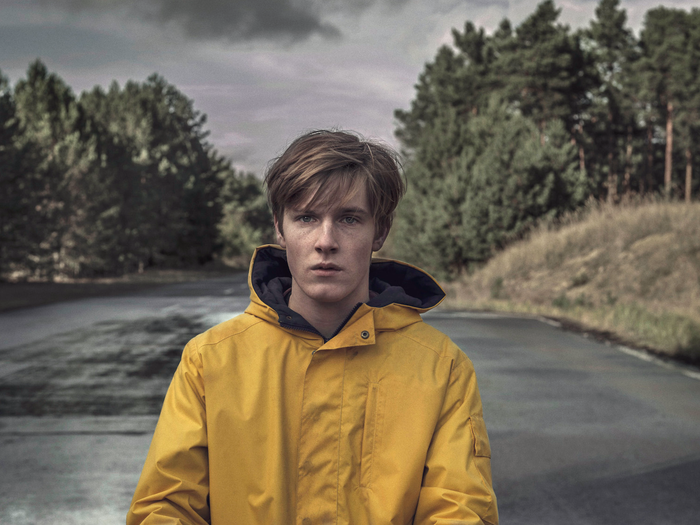
When discussing the most intellectually complex and emotionally haunting shows in modern television, Dark stands in a league of its own. Released on Netflix in 2017, this German science-fiction thriller redefined what global streaming content could achieve. With its intricate narrative, philosophical undertones, and atmospheric cinematography, Dark became an international phenomenon and remains one of the most critically acclaimed web-series of the decade.
Created by Baran bo Odar and Jantje Friese, Dark is not merely a time-travel story — it is a layered exploration of fate, free will, trauma, and the interconnectedness of human lives across generations.
🕰️ The Premise: A Missing Child and a Town Full of Secrets
The series is set in the fictional German town of Winden, a quiet community surrounded by dense forests and overshadowed by a nuclear power plant. The story begins with the mysterious disappearance of a young boy, Erik Obendorf. Soon after, another child, Mikkel Nielsen, vanishes — setting off a chain reaction of events that expose decades-old secrets.
What initially appears to be a crime drama quickly evolves into a complex narrative involving time travel, parallel worlds, and an intricate family web spanning four generations. As the characters begin to uncover a wormhole hidden in the caves beneath Winden, they realize that past, present, and future are deeply intertwined.
🔄 Time Travel with Consequences
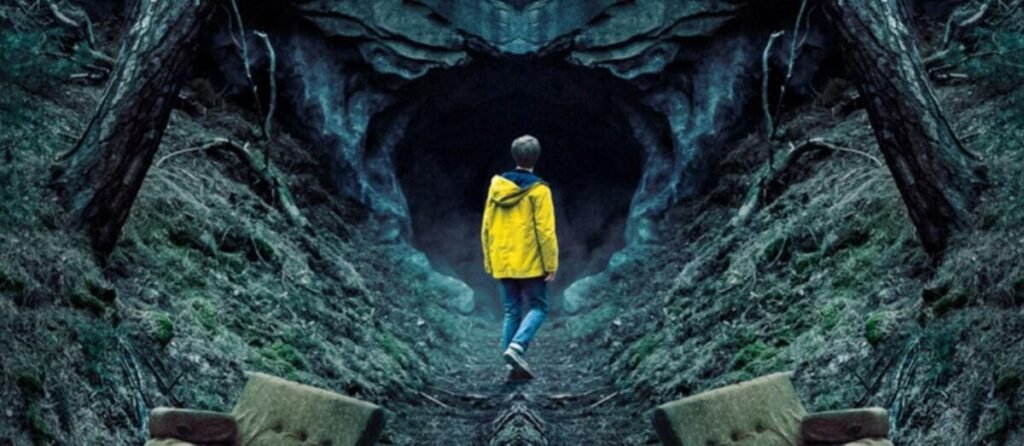
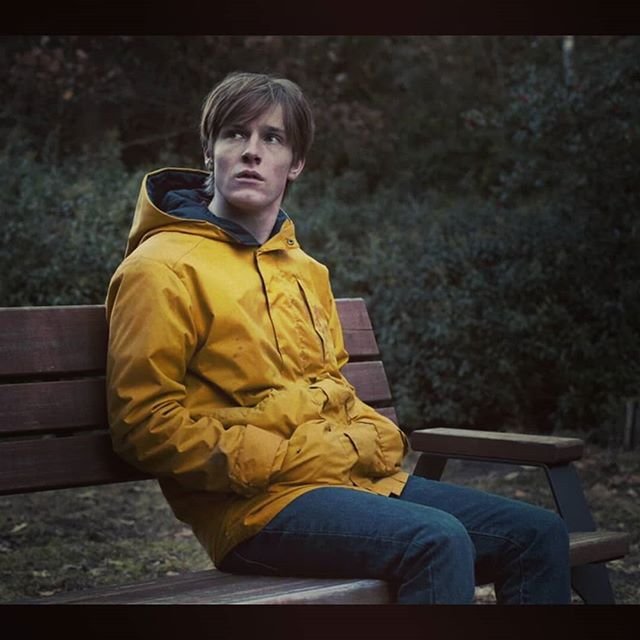
Unlike many sci-fi series that treat time travel as an adventure, Dark portrays it as tragic and inevitable. The timeline operates in cycles of 33 years — connecting 1953, 1986, 2019, and later additional timelines.
The central character, Jonas Kahnwald, discovers that altering the past does not necessarily fix the future. In fact, many attempts to change destiny only ensure that events unfold exactly as they always have. This creates one of the show’s most powerful themes: Can we escape fate, or are we doomed to repeat it?
The storytelling demands full attention. Characters appear in different time periods at various ages, and family relationships become increasingly complicated. Viewers often find themselves mapping out family trees to understand how each character connects to another.
👨👩👧👦 The Complex Family Web
At the heart of Dark lies four interconnected families:
The Kahnwalds
The Nielsens
The Dopplers
The Tiedemanns
Each family hides secrets that echo across decades. Relationships become increasingly tangled as time travel reveals shocking truths — including paradoxes where characters become their own ancestors.
The show masterfully portrays how trauma passes down through generations. Parents and children repeat the same emotional mistakes, reinforcing the theme of cyclical suffering. The personal dramas are just as compelling as the science-fiction elements.
🌗 Atmosphere and Cinematography
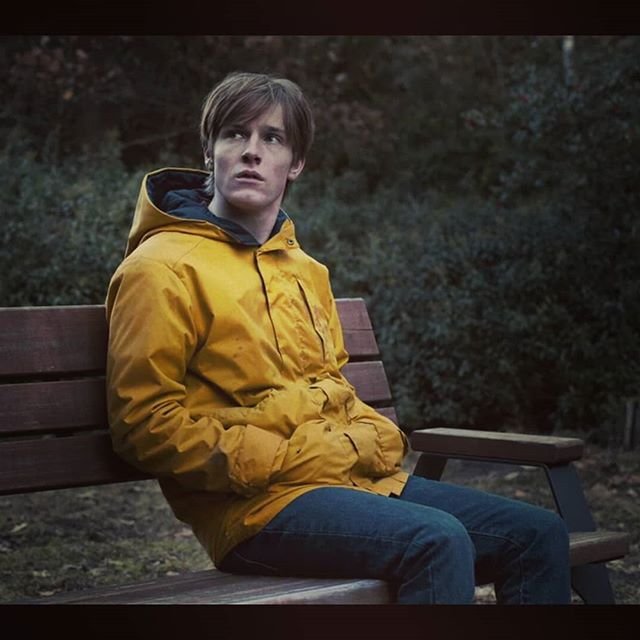
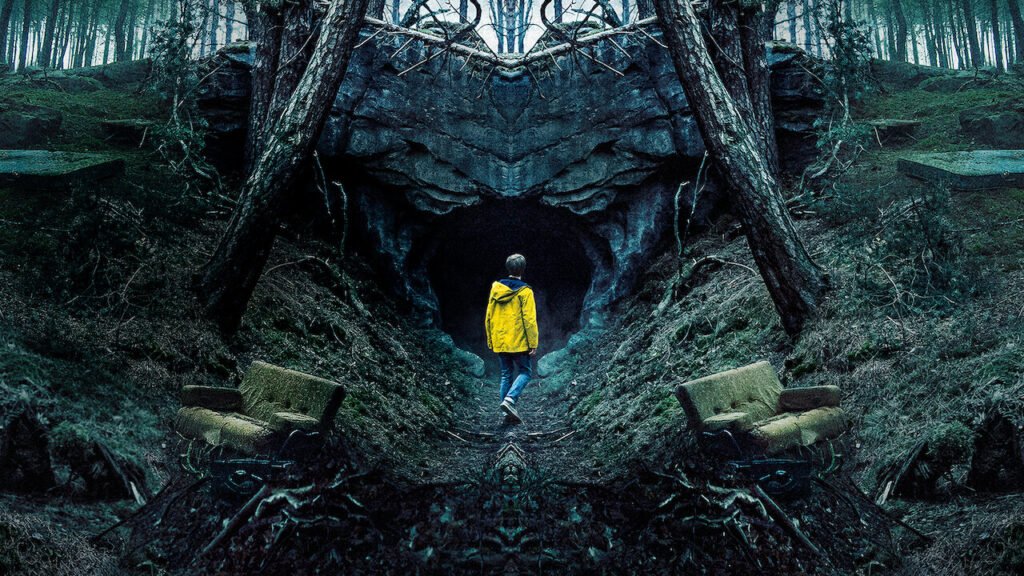
One of the defining characteristics of Dark is its visual tone. The series uses muted colors, dim lighting, and persistent rain to create a feeling of constant unease. The forest becomes a symbolic space — mysterious, timeless, and dangerous.
The cinematography mirrors the narrative’s mood: cold, heavy, and melancholic. The haunting soundtrack, featuring artists like Apparat and Agnes Obel, enhances the emotional intensity and adds depth to critical scenes.
🧠 Philosophical Themes: Fate vs Free Will
Beyond its complex structure, Dark explores deep philosophical questions:
1. Determinism
Are events predetermined? Many characters believe they can change the future, only to realize their actions were always part of the cycle.
2. Identity
If time is fluid, what defines a person? Characters encounter older and younger versions of themselves, forcing them to confront who they are and who they will become.
3. Suffering and Choice
Is suffering necessary? Can love justify destructive decisions?
The show draws inspiration from philosophical thinkers like Nietzsche and scientific theories about quantum mechanics and parallel universes. These layers make Dark intellectually rewarding for viewers who enjoy analyzing symbolic meaning.
🌌 Expansion into Parallel Worlds
By Season 3, the narrative expands beyond time travel into the concept of parallel universes. The introduction of an alternate world adds new complexity and challenges viewers to reconsider everything they thought they understood.
Rather than complicating the story unnecessarily, this expansion provides emotional closure. The final season ties together loose ends with remarkable precision, answering long-standing questions while maintaining thematic consistency.
🎭 Powerful Performances
The cast of Dark delivers exceptional performances across multiple timelines. Actors portraying younger and older versions of characters were carefully selected to resemble one another, enhancing the believability of the generational shifts.
Louis Hofmann’s portrayal of Jonas is particularly compelling, capturing vulnerability, determination, and eventual transformation. The emotional weight carried by each character feels authentic and heartbreaking.
🌍 Global Impact and Critical Acclaim
Dark proved that non-English series could achieve massive global success on streaming platforms. It opened doors for international productions to reach worldwide audiences without compromise.
Critics praised the series for its:
Intricate storytelling
Emotional depth
High production quality
Satisfying conclusion
Unlike many shows that lose direction over time, Dark maintained a clear narrative plan across its three seasons, culminating in a carefully constructed ending.
⚠️ Why DARK Is Not for Casual Viewing
While Dark is brilliant, it requires patience and concentration. The non-linear narrative, large ensemble cast, and philosophical density can be overwhelming for casual viewers.
However, for those willing to invest attention, the reward is immense. Few series demand such intellectual engagement while delivering emotional resonance at the same time.